
Jul 212026
 

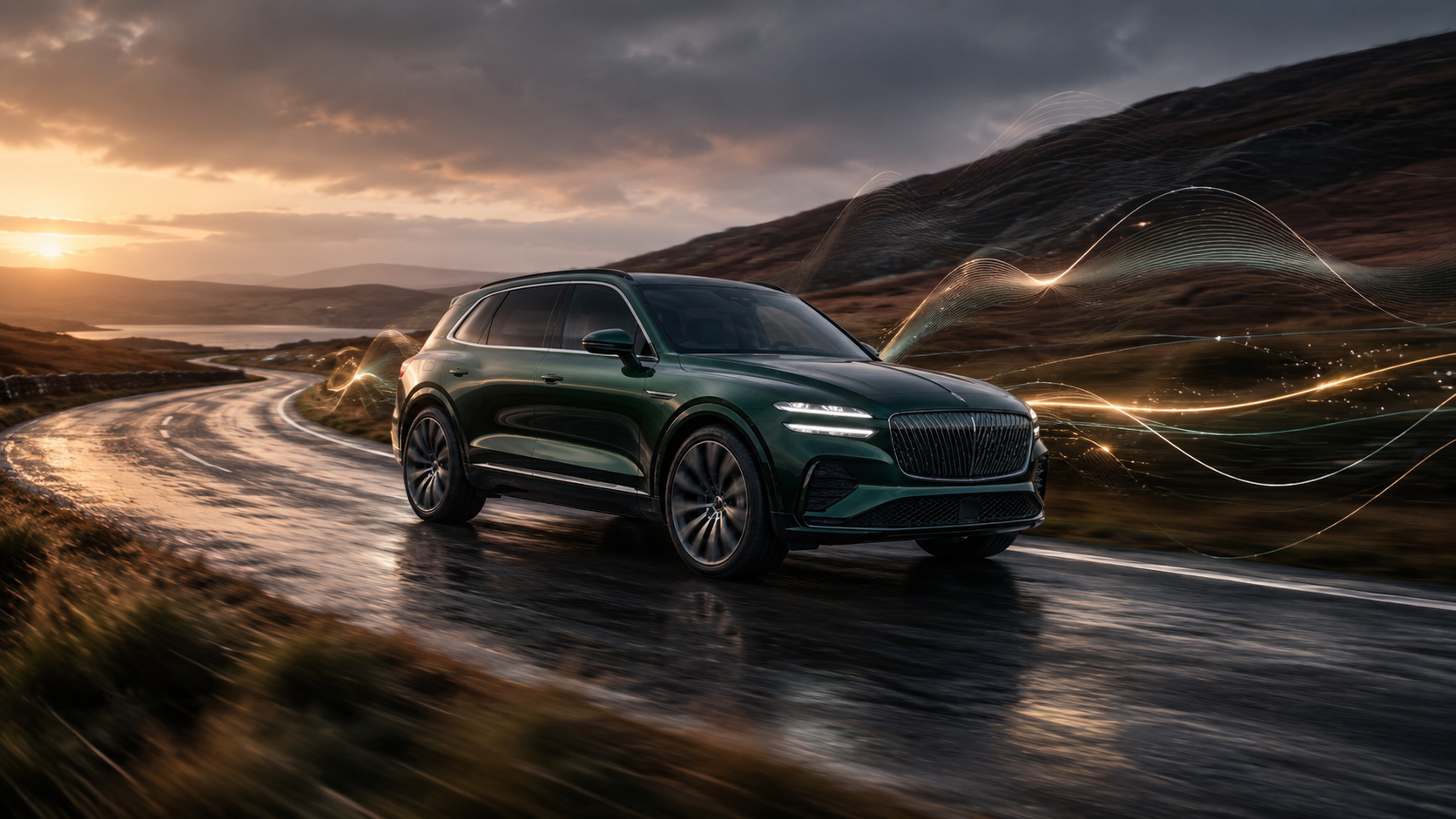
Bentley is preparing to introduce a new kind of driving sound for its upcoming electric SUV. Instead of copying the roar of a petrol engine, the luxury carmaker plans to use a specially created audio track built around drums, bass and orchestral instruments.

The upcoming electric crossover, reportedly named the Bentley Torcal, is expected to make its public debut later in 2026. It will mark an important step in Bentley’s move toward fully electric vehicles while still attempting to preserve the emotional and performance-focused character of the brand.

Electric vehicles are naturally much quieter than petrol or diesel cars. While this creates a calm and refined cabin, it can also make acceleration feel less dramatic. Traditional cars use engine revs, exhaust notes and gear changes to give drivers a sense of speed and power. Bentley wants to recreate that emotional feedback in a completely new way.

To develop the Torcal’s sound, engineers reportedly studied several important Bentley engines from the company’s history. These included older six-cylinder units, large V8 engines and the well-known W12 powertrain. Rather than recording and replaying those engine sounds, the team examined their rhythm and movement.

Engineers found that combustion engines produce a repeated pulse that can be compared to percussion. Each power stroke creates a beat, and the slight differences between those beats give an engine its natural character. Bentley used this idea as the starting point for the new electric soundtrack.

When the driver presses the accelerator, the Torcal will reportedly respond with a deep drum-based sound. The rhythm will become stronger and more complex as the SUV gains speed. Additional bass and string instruments may be layered into the track to create a richer and more luxurious effect.

The soundtrack is not expected to sound like a racing simulator or a fake exhaust system. Bentley appears to be aiming for something more musical and sophisticated. The intention is to create an original identity for the electric SUV rather than make it sound exactly like one of the company’s older petrol models.
Another unusual part of the project is the use of small variations in the rhythm. Real musicians do not perform every beat with perfect computer-like timing, and Bentley reportedly wants to preserve some of that natural imperfection. These tiny changes could make the soundtrack feel more human and emotionally engaging.

This approach is different from electric performance cars that recreate gear shifts, turbo noises or exhaust pops. Some manufacturers use synthetic engine sounds to make EVs feel familiar, while Bentley is moving in a more artistic direction by combining automotive engineering with musical composition.

Drivers may still be able to enjoy a nearly silent cabin when they prefer a relaxed experience. Although Bentley has not revealed all the system settings, the soundtrack could potentially offer different sound modes or adjustable volume levels.

The sound system may also serve a practical purpose. Because electric vehicles accelerate quickly and quietly, drivers can sometimes reach high speeds without noticing. A changing rhythm could provide useful feedback by making acceleration easier to feel and understand.

For Bentley, this sound project is about more than entertainment. Luxury carmakers will need new ways to make their electric vehicles feel distinctive, and the Torcal’s drum-inspired soundtrack could become an important part of Bentley’s electric identity.

Feb 182026
 

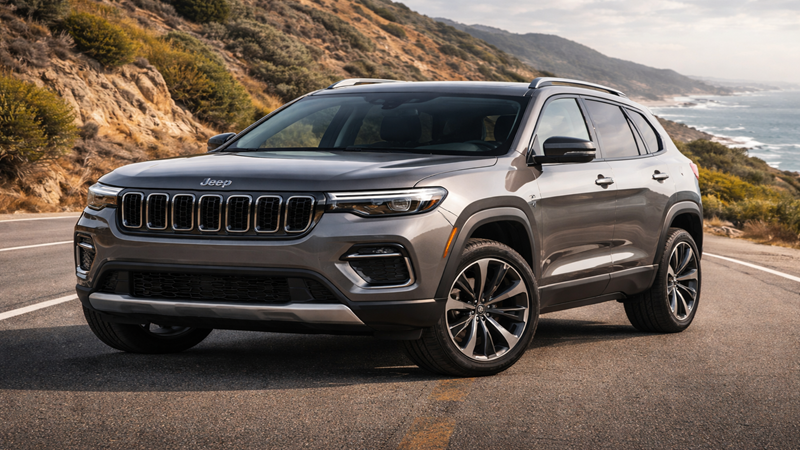
The 2026 Jeep Cherokee marks a major return for one of Jeep’s most recognizable SUVs, arriving with a complete redesign that modernizes both looks and performance. Built on Jeep’s STLA Large platform, this new Cherokee presents a bold exterior with a sleeker, more aerodynamic profile, updated LED lighting, and a refreshed front grille that bridges the gap between classic Jeep DNA and contemporary design language. The body has been thoughtfully reconfigured to improve overall passenger and cargo space while maintaining the rugged character Jeep buyers expect.

Under the hood, Jeep has shifted the Cherokee to a hybrid-only powertrain for 2026 — a turbocharged 1.6-liter four-cylinder engine paired with electric drive motors and a battery pack. This setup delivers a balanced blend of efficiency and capability, with combined horsepower around 210 and fuel economy near an estimated 37 mpg combined. The new hybrid system also gives the SUV a strong driving range of over 500 miles on a single fill-up, making it versatile for both daily commuting and long-distance adventures. All 2026 Cherokee models come standard with an advanced four-wheel-drive system that enhances traction and off-road capability, a nod to Jeep’s heritage.

Inside, the 2026 Cherokee offers a more spacious, tech-forward cabin compared with previous generations. Jeep has expanded cargo capacity and refined interior ergonomics to improve comfort for all occupants. The interior layout emphasizes modern connectivity and convenience, with larger touchscreen interfaces, digital instrument clusters, and available premium materials across higher trims. Jeep has also incorporated a suite of driver-assistance and safety features as standard, including adaptive cruise control, lane-keeping assist, blind-spot monitoring, and other Level 2 driving aids, reinforcing both daily usability and long-distance confidence.

In terms of value and practicality, the 2026 Cherokee is positioned as a versatile midsize SUV designed to appeal to a wide range of buyers — from urban drivers to off-road enthusiasts. Pricing for the base model begins in the competitive mid-$30,000 range, with additional trims offering upgraded comfort, technology, and capability features. With its combination of hybrid efficiency, modern design, advanced safety tech, and Jeep’s signature all-terrain capability, the 2026 Jeep Cherokee aims to be a compelling choice in the crowded SUV market.

Jan 192026
 

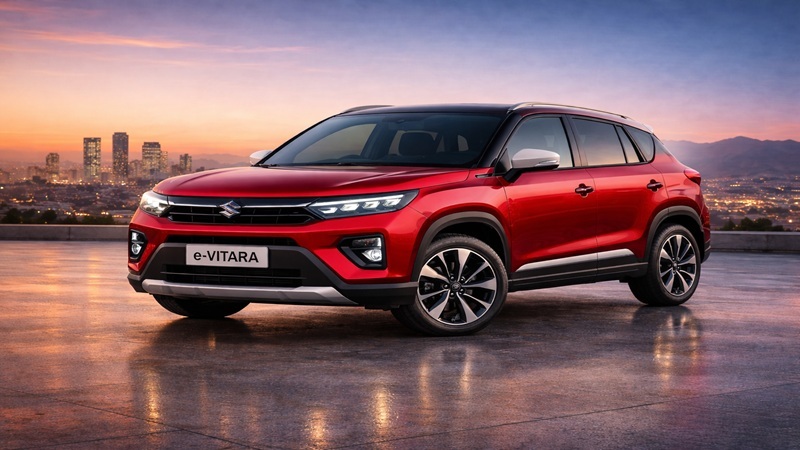
Maruti Suzuki’s e Vitara is NEXA’s first big step into the mass-market EV space—an SUV-style electric car that’s meant to feel like a “proper Vitara” rather than a small city EV. In terms of size, Autocar lists it at 4,275mm long, 1,800mm wide, 1,640mm tall with a 2,700mm wheelbase, and it’s currently shown as arriving in early 2026 (India).

On the EV side, the official NEXA site highlights a claimed driving range of 543 km on a full charge, and even mentions you can do up to ~400 km at 80% charge (useful because fast-charging usually targets 80%). Autocar further says the e Vitara is expected with two battery options (49kWh and 61kWh, LFP) and front-mounted electric motors, with the bigger-battery versions listed with the same 192.5Nm torque figure.

Where the e Vitara really tries to “feel premium” is features and safety: NEXA calls out ADAS Level 2 with 15+ functions (like lane departure warning, adaptive cruise control, high beam assist, and emergency braking), plus 7 airbags (six + a driver knee airbag) and ESP. For comfort, NEXA also mentions ventilated front seats, rear seats that slide and recline, a panoramic fixed-glass sunroof, and multiple drive modes including Eco/Normal/Sport plus Snow mode. Charging-wise, Maruti positions it as flexible: home AC charging, fast DC charging on trips, a portable charger, and app-based help to find/reserve charging slots.

WordPress › Error

There has been a critical error on this website.

Learn more about troubleshooting WordPress.