Mar 052026
 

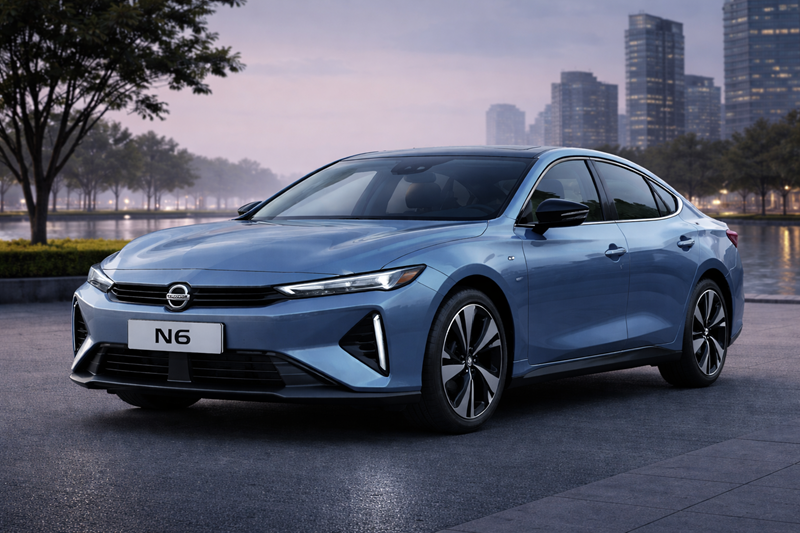
The Nissan N6 is a mid-size plug-in hybrid sedan developed by Nissan in partnership with Dongfeng. It was officially revealed in October 2025 and went on sale in China in December 2025. The car belongs to the D-segment (mid-size sedan class) and is designed to provide the comfort and size of a family sedan with modern electrified technology. Nissan built the N6 on its Tianyan architecture, which is also used for the fully electric Nissan N7, showing the company’s push toward hybrid and electric vehicles.

The Nissan N6 uses a plug-in hybrid powertrain that combines a 1.5-liter four-cylinder gasoline engine with a powerful electric motor. The petrol engine produces about 101 horsepower, while the electric motor generates around 208 horsepower and 320 Nm of torque. This combination allows the car to accelerate from 0 to 100 km/h in about 6.8 seconds, offering strong performance for a mid-size sedan. The gasoline engine mainly acts as a generator to support the electric system when the battery runs low.

The car is equipped with a 20.3–21.1 kWh lithium-iron-phosphate battery, giving the N6 an electric-only driving range of about 170–180 km (CLTC cycle). This means drivers can use the car like an electric vehicle for daily city driving and rely on the gasoline engine for longer trips. The battery also supports fast charging, allowing it to charge from 30% to 80% in roughly 17–20 minutes, which helps reduce waiting time during charging stops.

Inside, the Nissan N6 focuses on comfort and advanced technology. Depending on the trim level, it features a 10.25-inch digital instrument cluster, a 14.6- to 15.6-inch touchscreen infotainment system, ambient lighting, and advanced driver-assist features. Higher trims include Nissan’s AI “Zero-Pressure” seats with sensors, massage, heating, ventilation, and multiple adjustment settings to improve comfort during long drives. The overall design includes modern styling elements such as a full-width light bar, hidden door handles, and a sleek aerodynamic body.

The exterior design of the Nissan N6 reflects Nissan’s modern design philosophy with a sleek and aerodynamic shape. The car features a smooth front fascia with slim LED headlights and a stylish grille that gives it a futuristic appearance. A full-width LED light bar at the rear enhances its premium look, while the sculpted body lines improve both aesthetics and aerodynamics. The sedan also comes with hidden door handles and stylish alloy wheels, helping it achieve a cleaner design and better airflow efficiency.

In terms of size and practicality, the Nissan N6 is designed to provide a spacious cabin for families and long-distance travel. As a D-segment sedan, it offers generous legroom and headroom for both front and rear passengers. The large wheelbase improves interior comfort and stability during high-speed driving. The trunk space is also designed to accommodate everyday luggage, making the N6 a practical choice for commuters and family trips.

The technology features of the Nissan N6 are another highlight of the vehicle. It includes a modern infotainment system with smartphone connectivity, voice control, and intelligent navigation. Drivers can access various vehicle settings and entertainment options through the large touchscreen display. The car also supports over-the-air (OTA) software updates, which allow Nissan to improve the vehicle’s performance and features without requiring a visit to a service center.
Feb 172026
 

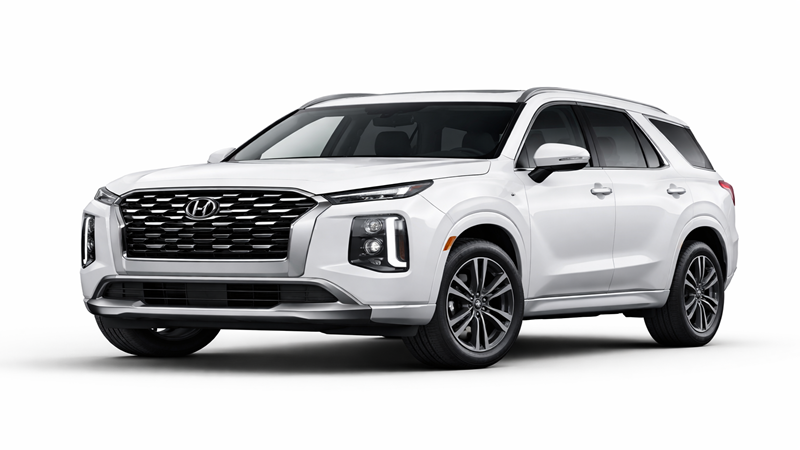
The 2026 Hyundai Palisade Hybrid is Hyundai’s latest evolution of its flagship three-row SUV, bringing electrified performance to one of the brand’s most popular family vehicles. Expected to launch globally in 2026, the Palisade Hybrid builds on the strong foundation of the current Palisade while introducing a more efficient hybrid powertrain, refreshed exterior styling, and upgraded technology. Positioned as a premium large SUV, it will compete directly with models like the Toyota Grand Highlander Hybrid, Kia Telluride (future hybrid variant), Ford Explorer Hybrid, and other electrified three-row SUVs in the midsize-to-full-size segment.

Design-wise, the 2026 Palisade Hybrid is expected to feature a more modern and upscale exterior with a bold front grille, vertically stacked LED headlamps, and sharper body lines to enhance its road presence. Hyundai is likely to incorporate new aerodynamic elements and unique hybrid badging to distinguish it from the standard petrol version. The SUV will retain its commanding stance, wide proportions, and spacious three-row layout, making it ideal for large families seeking both presence and practicality.

Under the hood, the Palisade Hybrid is expected to use a turbocharged 1.6-litre four-cylinder engine paired with an electric motor and battery pack — a setup similar to Hyundai’s latest hybrid systems seen in models like the Santa Fe Hybrid. Combined output is anticipated to be in the range of approximately 230–260 horsepower, delivering smoother acceleration and significantly improved fuel efficiency compared to the conventional V6 petrol engine. An automatic transmission will likely be standard, with both front-wheel-drive and all-wheel-drive options available depending on the market. The hybrid system is designed to offer strong low-end torque from the electric motor while maintaining refined highway cruising capability.

Inside, the 2026 Palisade Hybrid is expected to elevate luxury and technology further. The cabin will likely feature dual 12.3-inch displays for infotainment and instrumentation, premium leather upholstery, ambient lighting, a panoramic sunroof, and advanced connectivity options including wireless Apple CarPlay and Android Auto. Higher trims may include ventilated and heated seats for both front and rear passengers, a premium Bose audio system, and enhanced second-row captain’s chairs for improved comfort. Hyundai’s connected car technology and over-the-air update capability are also expected to be included.

On the safety front, Hyundai is anticipated to equip the Palisade Hybrid with its latest SmartSense suite of advanced driver assistance systems. Features may include adaptive cruise control with stop-and-go, lane-keeping assist, blind-spot monitoring, forward collision avoidance, rear cross-traffic alert, and a 360-degree camera system. Higher variants could offer advanced highway driving assist for semi-autonomous driving support on highways.

Jan 292026
 

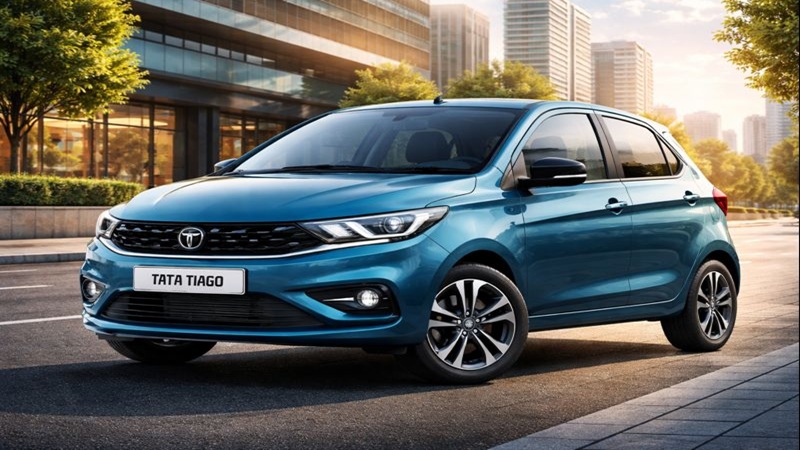
The 2025 Tata Tiago is Tata Motors’ flagship entry-level hatchback in India, known for its solid build quality, practicality, and safety. For 2025 it receives a subtle refresh with minor exterior tweaks like a sharper front grille, LED headlamps with DRLs, and a shark-fin antenna, while still keeping its compact hatchback silhouette ideal for city driving. Inside, the Tiago offers a more modern cabin with updates like a new multifunction steering wheel, a larger touchscreen infotainment system with wireless Apple CarPlay and Android Auto, TPMS (tyre-pressure monitoring), cruise control, and multiple USB charging ports — enhancing comfort and tech for drivers and passengers alike. Safety is a strong focus: the Tiago carries a 4-star Global NCAP adult safety rating with dual front airbags, ABS with EBD, ESC & hill-hold assist on higher trims, making it one of the safer cars in its class.

Under the hood, the 2025 Tiago sticks with Tata’s reliable 1.2-litre Revotron three-cylinder petrol engine, paired with either a 5-speed manual or a 5-speed AMT automatic gearbox. The petrol unit delivers around 86 PS of power and 113 Nm of torque, offering responsive performance suited for city and highway use while maintaining good fuel efficiency (around ~20 km/l in petrol form depending on variant and driving conditions). A CNG (iCNG) option is also available on many trims, improving running cost with mileage figures often above 25 km/kg, making it attractive for budget-conscious buyers. Beyond internal combustion options, Tata also offers an electric Tiago EV with battery options that provide an estimated range of around 250 km (medium range) to about 315 km (long range) on a single charge, with features like automatic climate control, cruise control, and a single-speed automatic motor setup.

In terms of variants and pricing, the 2025 Tiago range is broad to suit different needs and budgets. Petrol and CNG versions start from approximately ₹5.8 lakh on-road for base trims like XE and go up to around ₹9.8 lakh for fully-loaded CNG/AMT versions in many cities. If you’re considering the Tiago EV, its on-road prices typically range from around ₹9.1 lakh for the medium-range base variant up to about ₹12.9 lakh for top-end long-range versions. These prices make the Tiago one of the most competitively priced hatchbacks in India, especially considering the level of tech, safety, and efficiency it offers.

Across the lineup, the Tiago is presented in multiple trims — including XE, XM, XT, XZ and XZ+ — each adding progressively more features such as larger infotainment screens (up to ~10.25″), LED lights, alloy wheels, rear parking camera, automatic climate control, and additional safety gear on higher trims. With its compact dimensions, generous feature list, practical engine options (petrol, CNG, and EV), and strong safety credentials, the 2025 Tata Tiago continues to be a compelling choice for first-time car buyers, urban commuters, and anyone seeking a value-packed hatchback.

WordPress › Error

There has been a critical error on this website.

Learn more about troubleshooting WordPress.