Aug 072026
 

Toyota, Nissan, Mitsubishi and Honda are gradually resuming vehicle production in Japan after a magnitude 6.8 earthquake struck Kumamoto Prefecture on July 28, 2026, forcing several major factories to temporarily shut down.

The earthquake affected manufacturing operations across multiple regions, with Nissan, Toyota, Honda and Mitsubishi suspending production because of safety inspections and disruptions to parts supplies.

No injuries were reported at the automakers’ factories. However, three workers at Honda-affiliated parts supplier Astemo Uki were reportedly injured, although their injuries were not considered serious.

Despite the disruption, the manufacturers say the temporary shutdowns are not expected to significantly affect Australian vehicle supply.

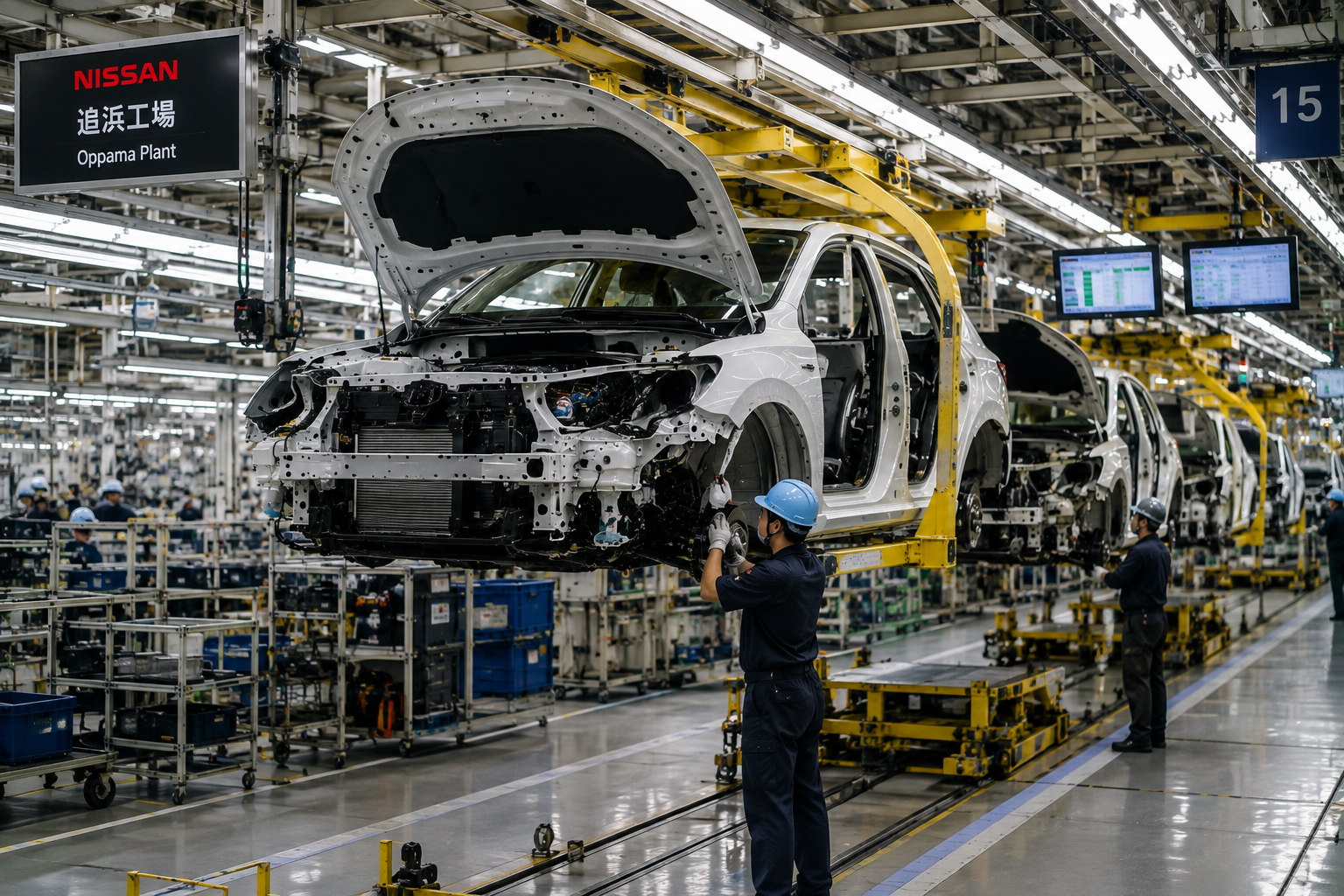
Nissan was among the hardest hit, with the production stoppage reportedly resulting in around 5,000 vehicles of lost output.

Nissan’s two affected plants in northern Fukuoka Prefecture have now begun returning to normal operations. Nissan Motor Kyushu, which produces the X-Trail for markets including Australia, was scheduled to restart on August 6.

Meanwhile, Nissan Shatai Kyushu, which builds the Patrol, was scheduled to return to normal production on August 7.

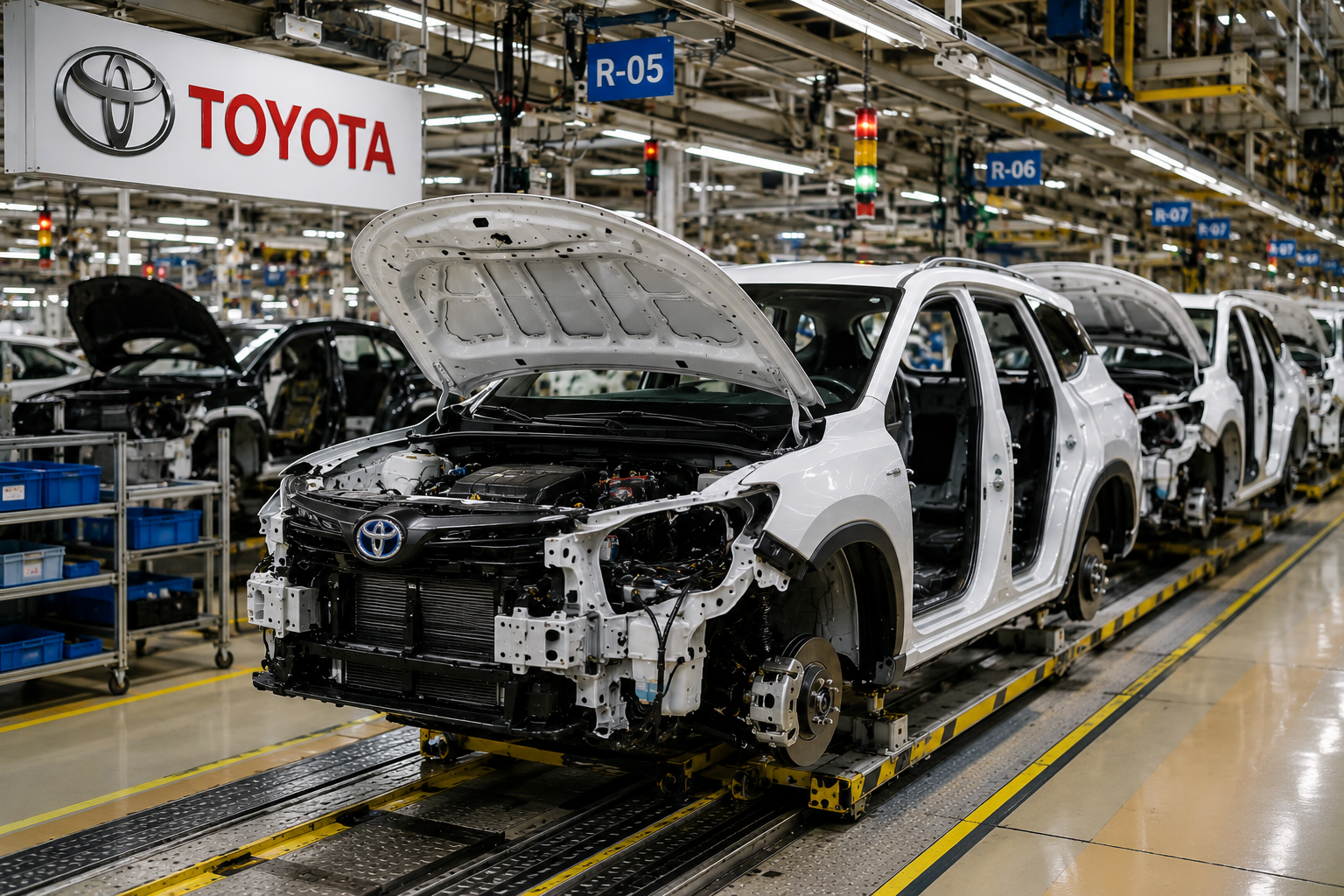
Toyota has also started restarting several facilities.

The company’s Miyata, Kanda and Kokura plants operated by Toyota Motor Kyushu were scheduled to resume production on August 6 after being closed since July 29.

These factories produce engines, hybrid components and several Lexus models, including the UX, NX, RX and ES.

However, Toyota’s Tahara plant in Aichi Prefecture is expected to remain closed until August 17 due to earthquake-related parts shortages and the company’s scheduled summer break.

Mitsubishi resumed production at its Mizushima plant on August 5. The facility manufactures kei cars for both Mitsubishi and Nissan.

Honda continues to face the biggest disruption.

Its Kumamoto Factory, located closest to the earthquake’s epicentre, partially restarted operations on August 5. The plant mainly produces motorcycles and power products rather than passenger cars.

Honda says production will be gradually restored as conditions improve.
However, three of the company’s major car-production facilities — Saitama, Suzuka and Yokkaichi — are expected to remain closed until at least August 19 because of ongoing parts-supply problems.

Honda’s Saitama operation includes the Yorii Automobile Plant, which produces models including the Civic, Civic Type R, ZR-V and Prelude.

The Suzuka Factory is also affected and is expected to produce the upcoming Honda Super-One electric vehicle.

Japan’s automotive industry is now working to restore normal production while suppliers continue to recover from the earthquake.

Japan Automobile Manufacturers Association chairman Koji Sato said the industry had been significantly affected and promised a coordinated response to support the millions of people working across Japan’s automotive sector.

With Nissan, Toyota and Mitsubishi already restarting production, attention is now focused on Honda and remaining parts suppliers as they work toward a full recovery.
Mar 052026
 

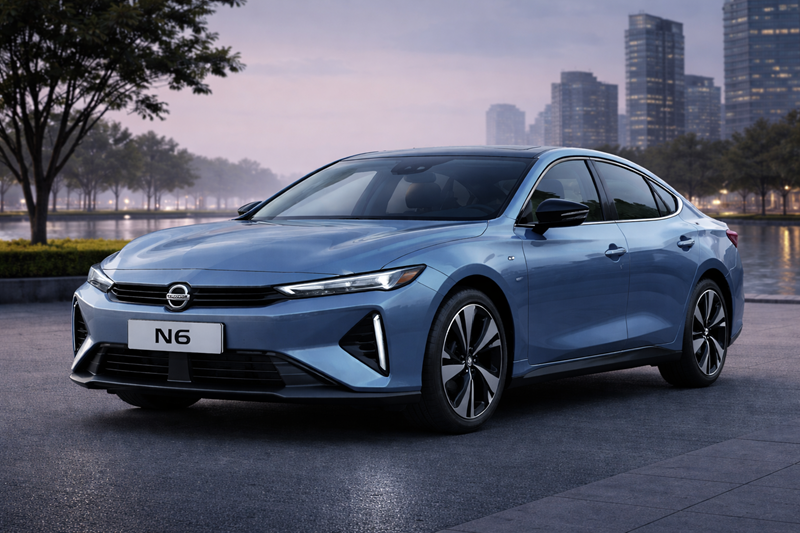
The Nissan N6 is a mid-size plug-in hybrid sedan developed by Nissan in partnership with Dongfeng. It was officially revealed in October 2025 and went on sale in China in December 2025. The car belongs to the D-segment (mid-size sedan class) and is designed to provide the comfort and size of a family sedan with modern electrified technology. Nissan built the N6 on its Tianyan architecture, which is also used for the fully electric Nissan N7, showing the company’s push toward hybrid and electric vehicles.

The Nissan N6 uses a plug-in hybrid powertrain that combines a 1.5-liter four-cylinder gasoline engine with a powerful electric motor. The petrol engine produces about 101 horsepower, while the electric motor generates around 208 horsepower and 320 Nm of torque. This combination allows the car to accelerate from 0 to 100 km/h in about 6.8 seconds, offering strong performance for a mid-size sedan. The gasoline engine mainly acts as a generator to support the electric system when the battery runs low.

The car is equipped with a 20.3–21.1 kWh lithium-iron-phosphate battery, giving the N6 an electric-only driving range of about 170–180 km (CLTC cycle). This means drivers can use the car like an electric vehicle for daily city driving and rely on the gasoline engine for longer trips. The battery also supports fast charging, allowing it to charge from 30% to 80% in roughly 17–20 minutes, which helps reduce waiting time during charging stops.

Inside, the Nissan N6 focuses on comfort and advanced technology. Depending on the trim level, it features a 10.25-inch digital instrument cluster, a 14.6- to 15.6-inch touchscreen infotainment system, ambient lighting, and advanced driver-assist features. Higher trims include Nissan’s AI “Zero-Pressure” seats with sensors, massage, heating, ventilation, and multiple adjustment settings to improve comfort during long drives. The overall design includes modern styling elements such as a full-width light bar, hidden door handles, and a sleek aerodynamic body.

The exterior design of the Nissan N6 reflects Nissan’s modern design philosophy with a sleek and aerodynamic shape. The car features a smooth front fascia with slim LED headlights and a stylish grille that gives it a futuristic appearance. A full-width LED light bar at the rear enhances its premium look, while the sculpted body lines improve both aesthetics and aerodynamics. The sedan also comes with hidden door handles and stylish alloy wheels, helping it achieve a cleaner design and better airflow efficiency.

In terms of size and practicality, the Nissan N6 is designed to provide a spacious cabin for families and long-distance travel. As a D-segment sedan, it offers generous legroom and headroom for both front and rear passengers. The large wheelbase improves interior comfort and stability during high-speed driving. The trunk space is also designed to accommodate everyday luggage, making the N6 a practical choice for commuters and family trips.

The technology features of the Nissan N6 are another highlight of the vehicle. It includes a modern infotainment system with smartphone connectivity, voice control, and intelligent navigation. Drivers can access various vehicle settings and entertainment options through the large touchscreen display. The car also supports over-the-air (OTA) software updates, which allow Nissan to improve the vehicle’s performance and features without requiring a visit to a service center.

Jan 022026
 
Nissan-Sentra

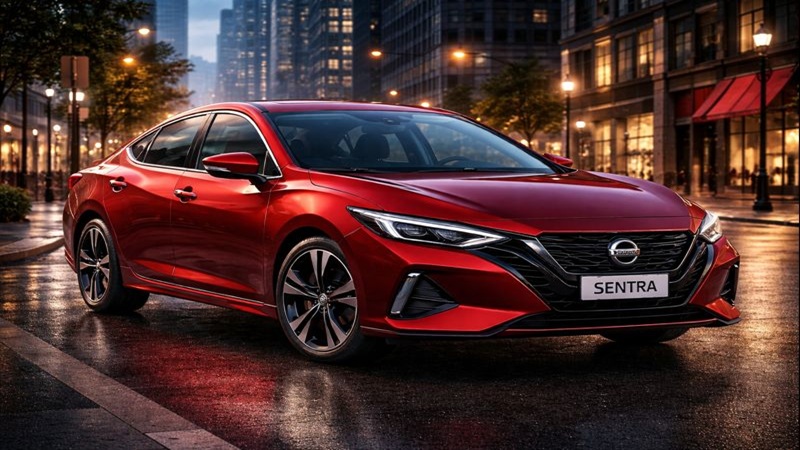
The 2026 Nissan Sentra represents a major step forward for Nissan’s compact sedan, bringing a full redesign that blends modern style, enhanced technology, and strong value in a segment crowded with rivals. As the ninth-generation Sentra, it adopts a bold new exterior with sleek, aerodynamic lines and a fastback-like silhouette — a design that helps it stand out against competitors like the Honda Civic and Toyota Corolla while also improving efficiency.

Inside, the Sentra’s cabin is more refined and tech-rich than ever. Standard across the lineup is a large 12.3-inch center touchscreen that anchors the infotainment experience, with higher trims also featuring a matching digital instrument display. Wireless Apple CarPlay and Android Auto come on mid and upper trims, and connected Nissan services provide additional convenience.

Under the hood, the 2026 Sentra retains its reliable 2.0-liter four-cylinder engine, producing around 149 hp, paired with a smooth continuously variable transmission (CVT). While the powertrain isn’t focused on outright sportiness, Nissan has tuned the suspension and steering for more engaging everyday driving, and the available Sport mode sharpens throttle and handling responses for a more spirited feel on twisty roads.

Safety and driver-assistance features are robust, with Nissan Safety Shield 360 standard and available upgrades like ProPILOT Assist and Blind Spot Intervention on higher trims, giving drivers greater confidence behind the wheel.

The Sentra also offers practicality, with a roomy trunk (around 14.3 cubic feet) and thoughtful interior touches that elevate comfort. Different trim levels — from the value-oriented S and SV to the sportier SR and more premium SL — allow buyers to choose the balance of features and price that suits them best.

The 2026 Nissan Sentra strikes a compelling mix of style, technology, and everyday usability, making it a strong choice for buyers seeking a modern, affordable compact sedan with up-to-date features and confident performance.

WordPress › Error

There has been a critical error on this website.

Learn more about troubleshooting WordPress.