Aug 102026
 

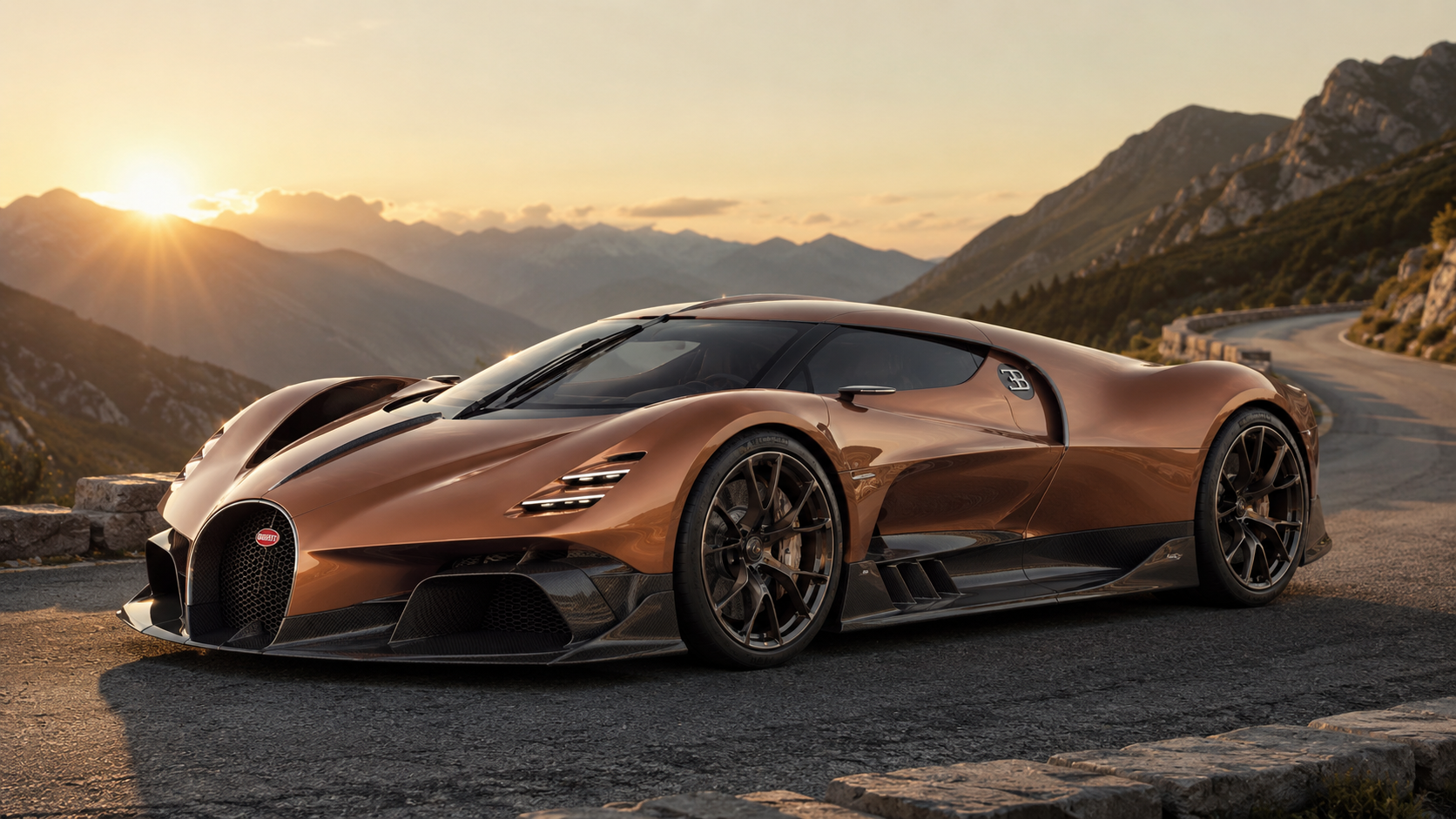
Bugatti is continuing to celebrate its legendary W16 era with a new one-off creation called the Destrier, developed through the company’s exclusive Programme Solitaire.

The Destrier is based on the extreme 1,578-horsepower Bugatti Bolide, but instead of focusing purely on track aggression, Bugatti has reworked the car into something far more elegant and sculptural.

Designed under a “Sculpture of Speed” philosophy, the Destrier removes much of the Bolide’s exposed aerodynamic drama and replaces it with cleaner, more flowing bodywork.

At just 39 inches tall, Bugatti says the Destrier is the lowest model it has ever produced. The front end features a wider interpretation of the brand’s famous horseshoe grille, while the headlights use a more refined matrix-style design instead of the Bolide’s distinctive X-shaped lighting.

Despite its smoother appearance, the Destrier still retains much of the Bolide’s advanced aerodynamic engineering.

The bonnet incorporates S-ducts, air curtains and vortex-generating elements, while a roof-mounted intake continues to feed air to the mid-mounted 8.0-liter quad-turbocharged W16 engine.

One of the most distinctive styling details is a bright central spine that runs along the bonnet, over the roof and toward the rear spoiler. Bugatti says the feature draws inspiration from the iconic Type 57 SC Atlantic and its famous center-ribbed bodywork.

The brand’s traditional C-line profile has also been redesigned, while the body narrows dramatically behind the cabin before widening again over the rear wheels.
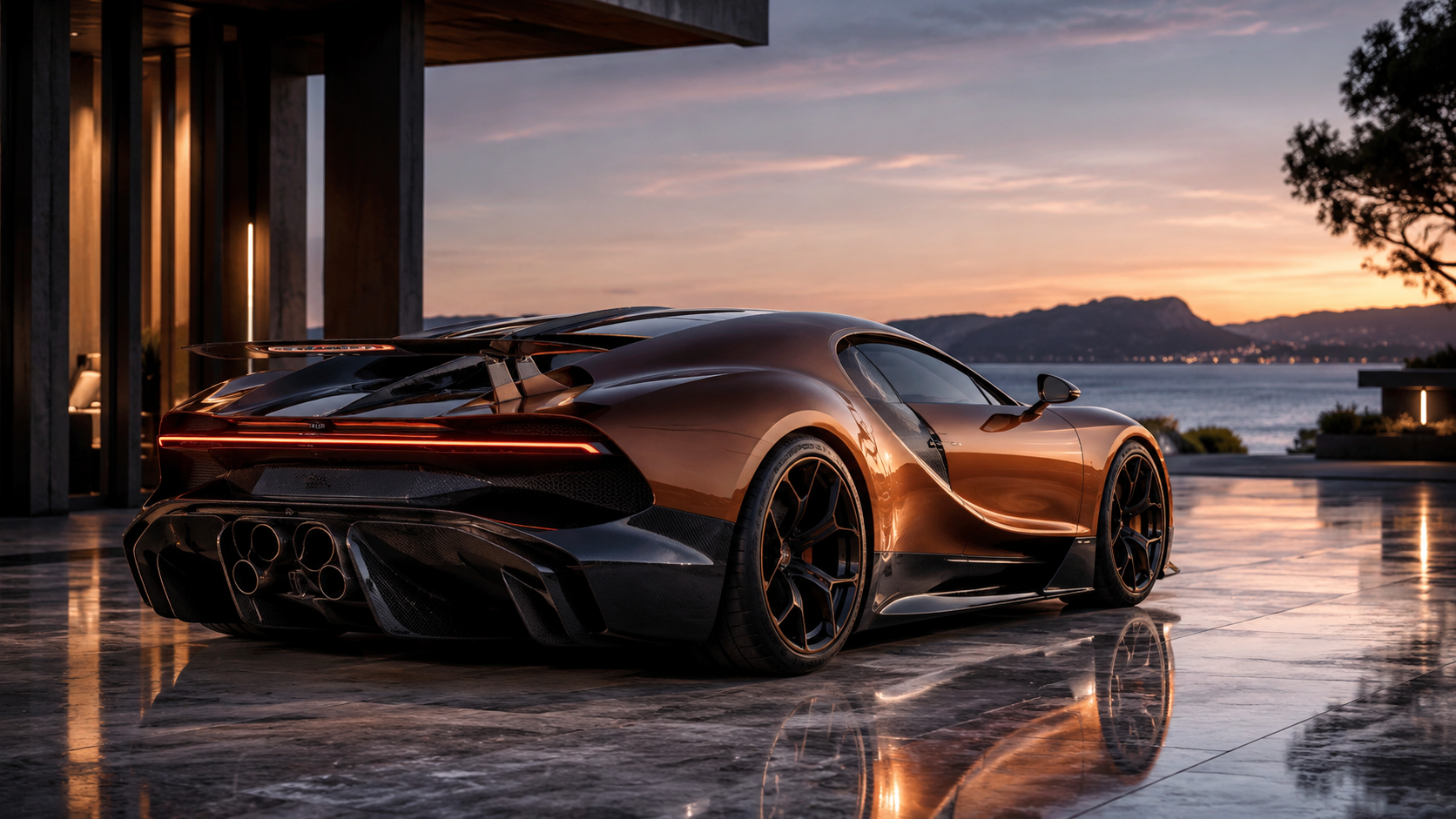
At the back, the fixed rear wing takes inspiration from the Chiron Profilée, while the thin X-shaped taillights and four exhaust outlets maintain a visual connection to the Bolide.

The interior is even more luxurious.

Instead of the Bolide’s stripped-out racing cabin, the Destrier receives a rich combination of brown leather, suede and 3D-knit fabric across the seats, dashboard and door panels.

Bugatti has also added polished metal details and hammered-finish aluminum trim, inspired by the handcrafted armor worn by medieval knights.

The Bolide’s race-style steering yoke, carbon-fiber structure and fixed seating position remain, preserving the car’s motorsport-focused roots beneath the more luxurious finish.

The name Destrier comes from the powerful war horses used by medieval knights, reflecting the car’s combination of strength, elegance and imposing presence.

With the Destrier, Bugatti is showing that even after producing its final W16 engine, the company is not finished celebrating one of the most important powertrains in its history.

Rather than simply creating another version of the Bolide, the Destrier transforms it into a more refined and artistic interpretation of Bugatti performance—combining 1,578 horsepower, historic design references and bespoke craftsmanship in a truly one-off machine.

Aug 102026
 

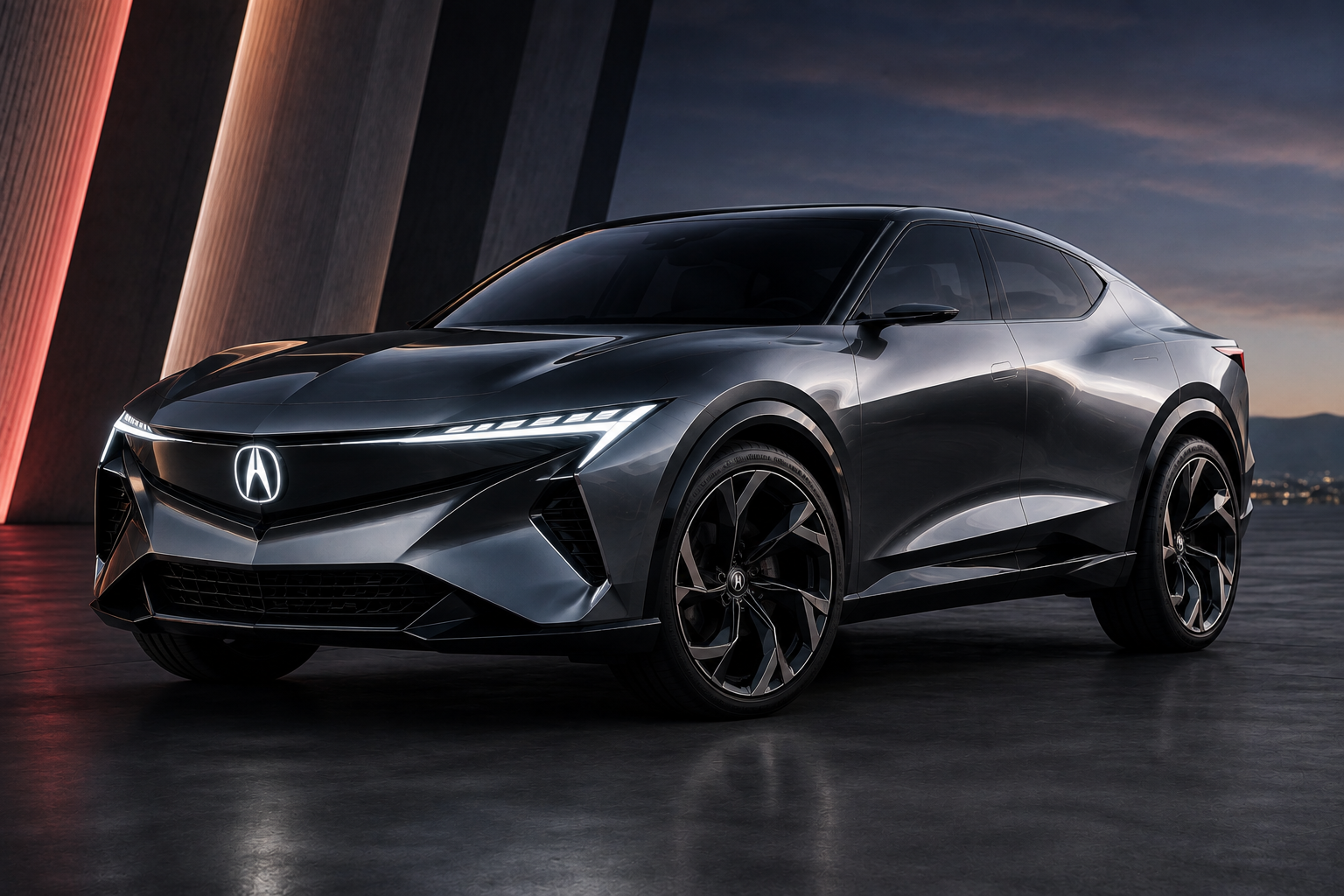
Acura is preparing to introduce a new design language that could reshape the look of its next-generation vehicles, with the brand teasing a dramatic concept ahead of Monterey Car Week in California.

The upcoming concept is expected to preview a much bolder styling direction, similar to how the Acura Precision Concept helped define the brand’s current design identity when it debuted in 2016.

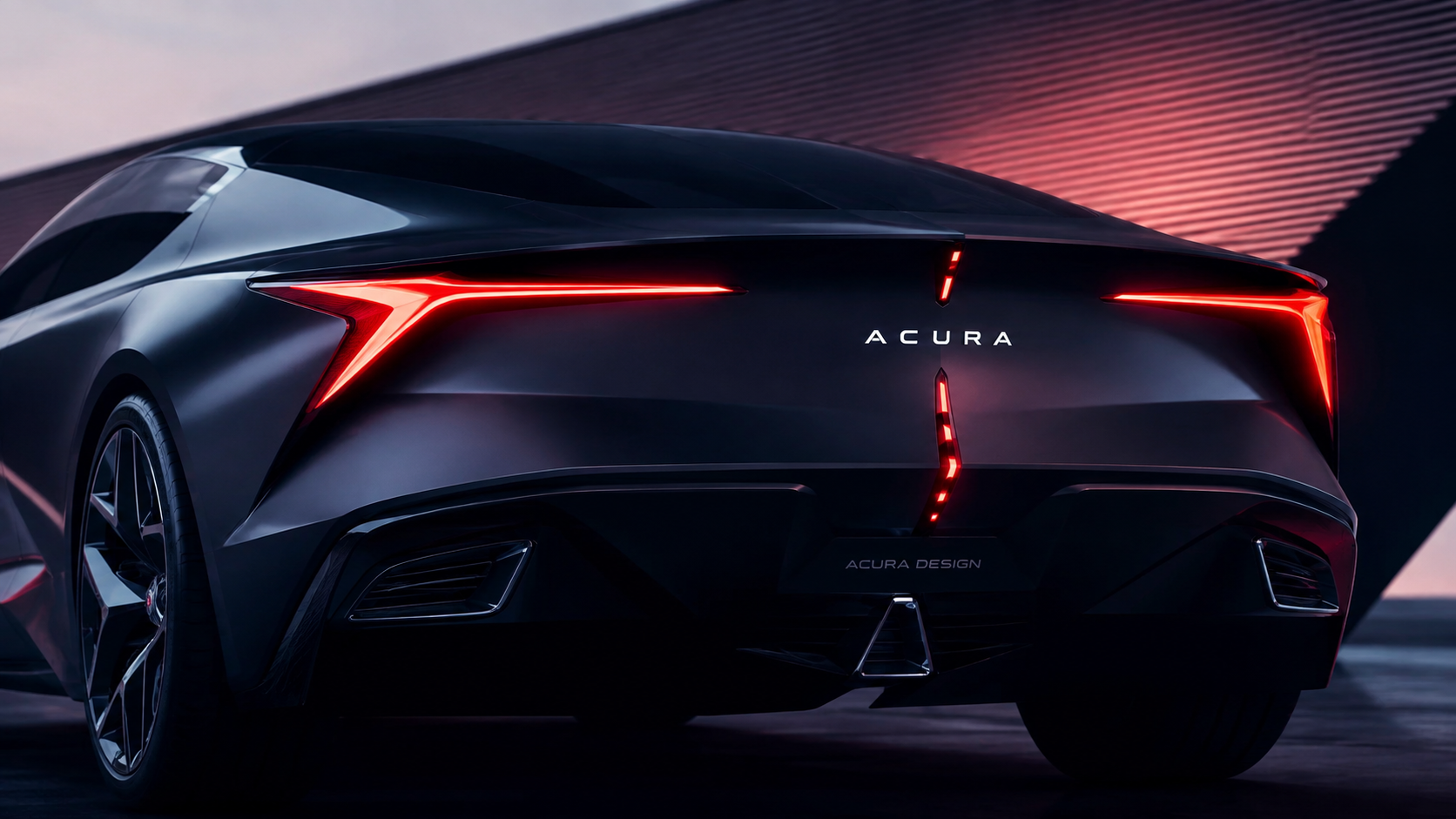
A teaser image shows the rear of the new concept, featuring distinctive arrow-shaped taillights and vertical lighting elements that give the vehicle a more exotic and performance-focused appearance.

While Acura has not yet revealed full details, the styling may already be familiar.

Earlier this year, Honda showed two future vehicle prototypes, including an Acura-branded SUV that featured a very similar arrow-shaped taillight design. Because those vehicles were presented as prototypes rather than pure concepts, they could provide a strong indication of what future production models will look like.

The Acura SUV is widely believed to preview the next-generation RDX, which the company has already confirmed is in development.

Production of the current third-generation RDX ended in May, although its replacement is still expected to be a couple of years away.

The delay may be connected to a wider change in strategy at Honda and Acura.

The companies recently cancelled several planned electric vehicles, including the Acura RSX SUV, as they reassess their EV plans amid weaker-than-expected demand.

The Acura ZDX has also been discontinued, leaving the brand to focus more heavily on future models powered by internal-combustion and hybrid technology.

This shift makes Acura’s new design direction particularly important.

The brand has struggled to return to the sales levels it achieved a decade ago, despite offering vehicles known for sharp handling, strong value and solid build quality.

Acura now appears to be betting that more distinctive styling and a stronger visual identity can help its next generation of vehicles stand out in the premium market.

More details about the concept—and Acura’s future design direction—are expected to emerge during Monterey Car Week.

Aug 102026
 

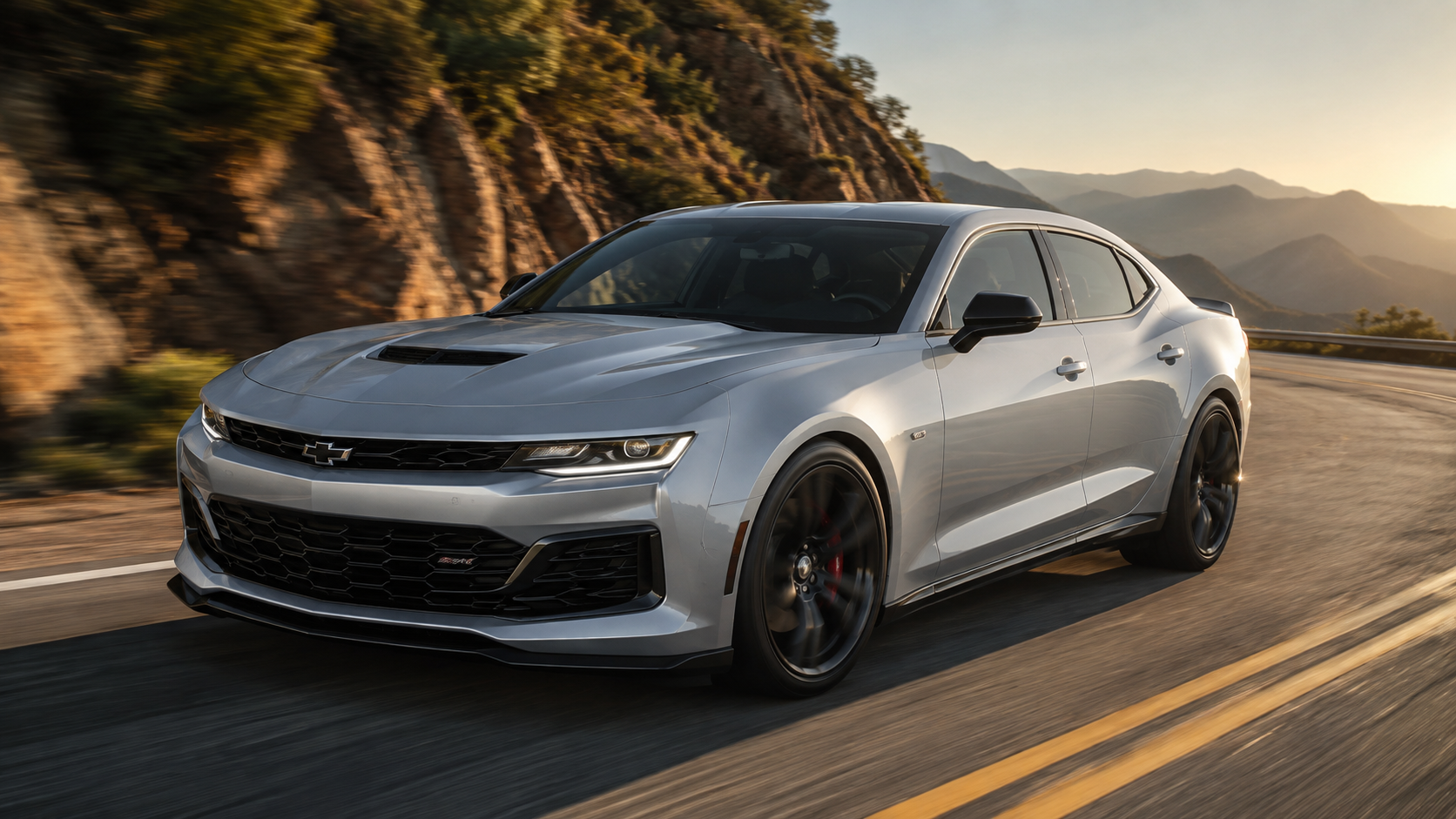
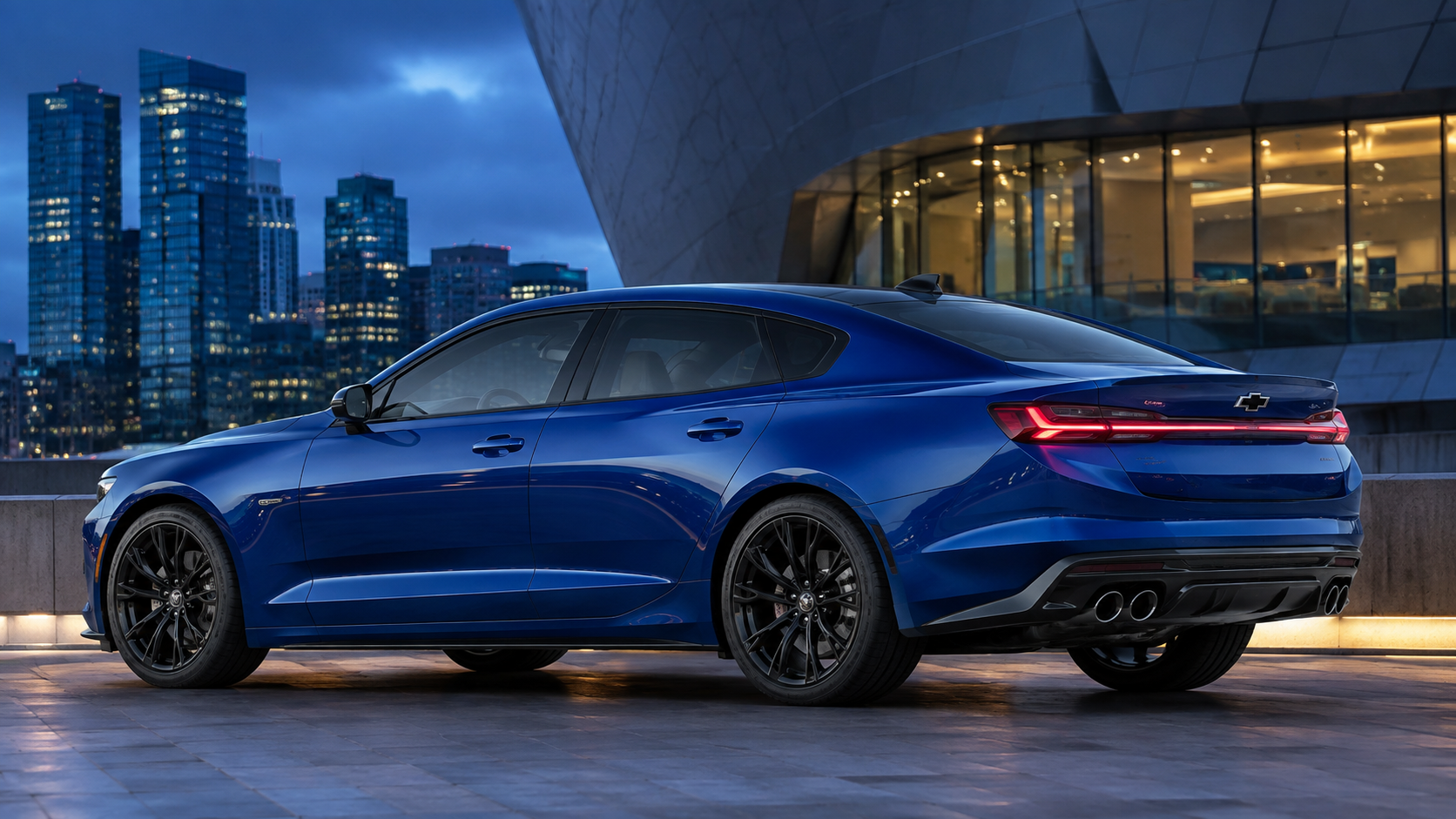
Chevrolet could be preparing to bring back the Camaro in a very different form, with a new report suggesting the next-generation model may become a four-door performance sedan rather than the traditional two-door coupe.

According to reports, the seventh-generation Chevrolet Camaro is now expected to arrive as a 2029 model, which would put its return roughly a year later than some earlier estimates.

Production is reportedly still planned for GM’s Lansing Grand River Assembly plant in Michigan, a facility that has played an important role in General Motors’ performance-car production.

The biggest surprise, however, is the possibility that Chevrolet could transform the Camaro into a four-door sports sedan.

If that happens, the new model would represent one of the most dramatic changes in the Camaro’s history, moving away from the classic coupe layout that has defined the nameplate for decades.

Rather than simply replacing the previous Camaro, the new car could effectively become a spiritual successor to the Chevrolet SS, combining rear-wheel-drive performance with the added practicality of four doors.

General Motors has not officially confirmed the return of the Camaro, so the reported plans should still be treated as unconfirmed speculation.

However, rumors surrounding a new Camaro have continued to grow, with previous reports pointing toward an all-new rear-wheel-drive performance car based on an updated version of GM’s Alpha platform.

That architecture is also expected to support future models such as the next-generation Cadillac CT5 and potentially a new Buick sedan.

One important detail is that the future Camaro is reportedly expected to remain internal-combustion powered, rather than becoming a fully electric vehicle.

That could help Chevrolet preserve the traditional performance character associated with the Camaro name.

Reports also suggest that a manual transmission could remain available, which would be significant for enthusiasts as more performance cars move toward automatic-only or electric powertrains.

Higher-performance versions could potentially receive an even more powerful engine.

One rumor suggests future Camaro variants may eventually use GM’s new naturally aspirated 6.7-liter LS6 V8, although Chevrolet has not officially confirmed any engine specifications.

If the four-door body style becomes reality, it would likely be the most controversial part of the Camaro’s return.

The Camaro has traditionally been known for its long-hood, two-door muscle-car design, so adding rear doors would fundamentally change the way the vehicle looks and how buyers use it.

At the same time, a sedan layout could make the Camaro more practical for everyday driving, offering easier rear-seat access and greater appeal to buyers who want performance without sacrificing usability.

The previous sixth-generation Camaro ended production after the 2024 model year, leaving Chevrolet without a direct replacement for one of its best-known performance models.

Since then, the company has repeatedly suggested that the Camaro name could return in the future, although it has avoided confirming exactly what form the next model will take.

A potential 2029 launch would create a significant gap between generations, but the extra development time could allow Chevrolet to rethink the Camaro for a changing performance-car market.

For now, important details including the final body style, engine lineup, transmission choices, pricing and launch timing remain uncertain.

If the latest reports prove accurate, the next Chevrolet Camaro could return not as a traditional muscle coupe, but as a rear-wheel-drive four-door performance sedan with combustion power and enthusiast-focused engineering.

That would make the seventh-generation Camaro one of the biggest reinventions in the nameplate’s nearly 60-year history.

WordPress › Error

There has been a critical error on this website.

Learn more about troubleshooting WordPress.