Aug 102026
 

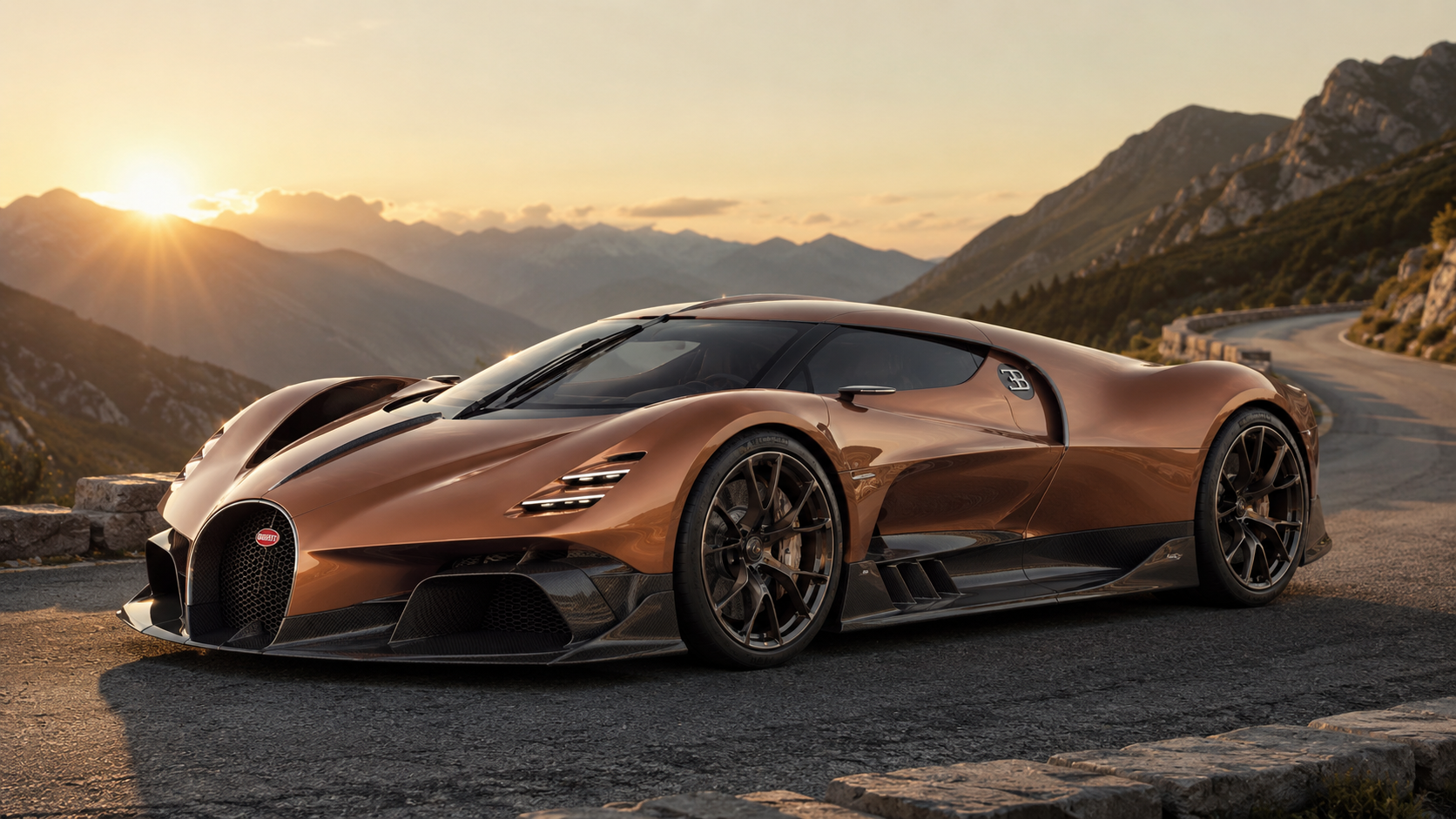
Bugatti is continuing to celebrate its legendary W16 era with a new one-off creation called the Destrier, developed through the company’s exclusive Programme Solitaire.

The Destrier is based on the extreme 1,578-horsepower Bugatti Bolide, but instead of focusing purely on track aggression, Bugatti has reworked the car into something far more elegant and sculptural.

Designed under a “Sculpture of Speed” philosophy, the Destrier removes much of the Bolide’s exposed aerodynamic drama and replaces it with cleaner, more flowing bodywork.

At just 39 inches tall, Bugatti says the Destrier is the lowest model it has ever produced. The front end features a wider interpretation of the brand’s famous horseshoe grille, while the headlights use a more refined matrix-style design instead of the Bolide’s distinctive X-shaped lighting.

Despite its smoother appearance, the Destrier still retains much of the Bolide’s advanced aerodynamic engineering.

The bonnet incorporates S-ducts, air curtains and vortex-generating elements, while a roof-mounted intake continues to feed air to the mid-mounted 8.0-liter quad-turbocharged W16 engine.

One of the most distinctive styling details is a bright central spine that runs along the bonnet, over the roof and toward the rear spoiler. Bugatti says the feature draws inspiration from the iconic Type 57 SC Atlantic and its famous center-ribbed bodywork.

The brand’s traditional C-line profile has also been redesigned, while the body narrows dramatically behind the cabin before widening again over the rear wheels.
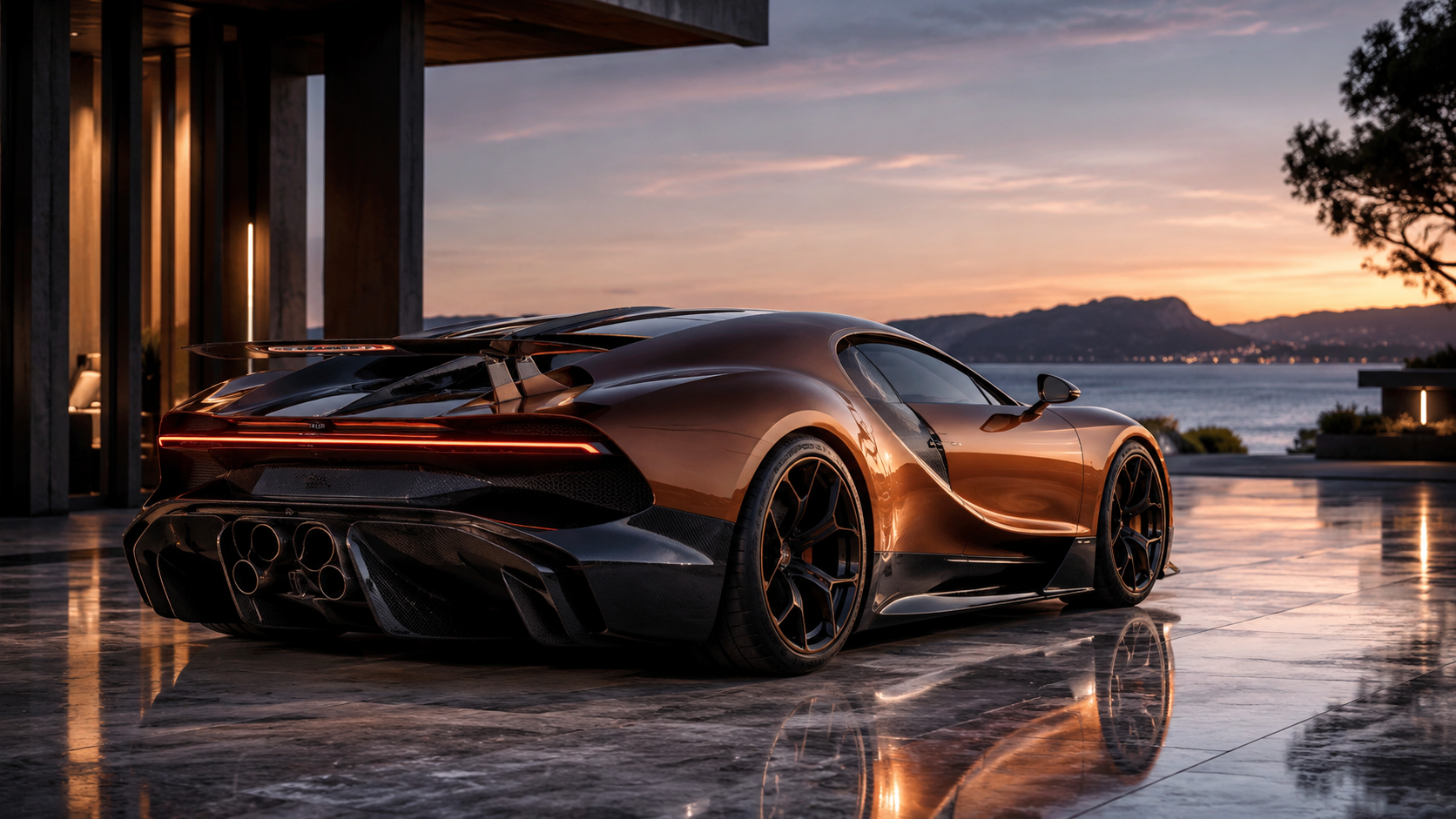
At the back, the fixed rear wing takes inspiration from the Chiron Profilée, while the thin X-shaped taillights and four exhaust outlets maintain a visual connection to the Bolide.

The interior is even more luxurious.

Instead of the Bolide’s stripped-out racing cabin, the Destrier receives a rich combination of brown leather, suede and 3D-knit fabric across the seats, dashboard and door panels.

Bugatti has also added polished metal details and hammered-finish aluminum trim, inspired by the handcrafted armor worn by medieval knights.

The Bolide’s race-style steering yoke, carbon-fiber structure and fixed seating position remain, preserving the car’s motorsport-focused roots beneath the more luxurious finish.

The name Destrier comes from the powerful war horses used by medieval knights, reflecting the car’s combination of strength, elegance and imposing presence.

With the Destrier, Bugatti is showing that even after producing its final W16 engine, the company is not finished celebrating one of the most important powertrains in its history.

Rather than simply creating another version of the Bolide, the Destrier transforms it into a more refined and artistic interpretation of Bugatti performance—combining 1,578 horsepower, historic design references and bespoke craftsmanship in a truly one-off machine.
Jul 212026
 

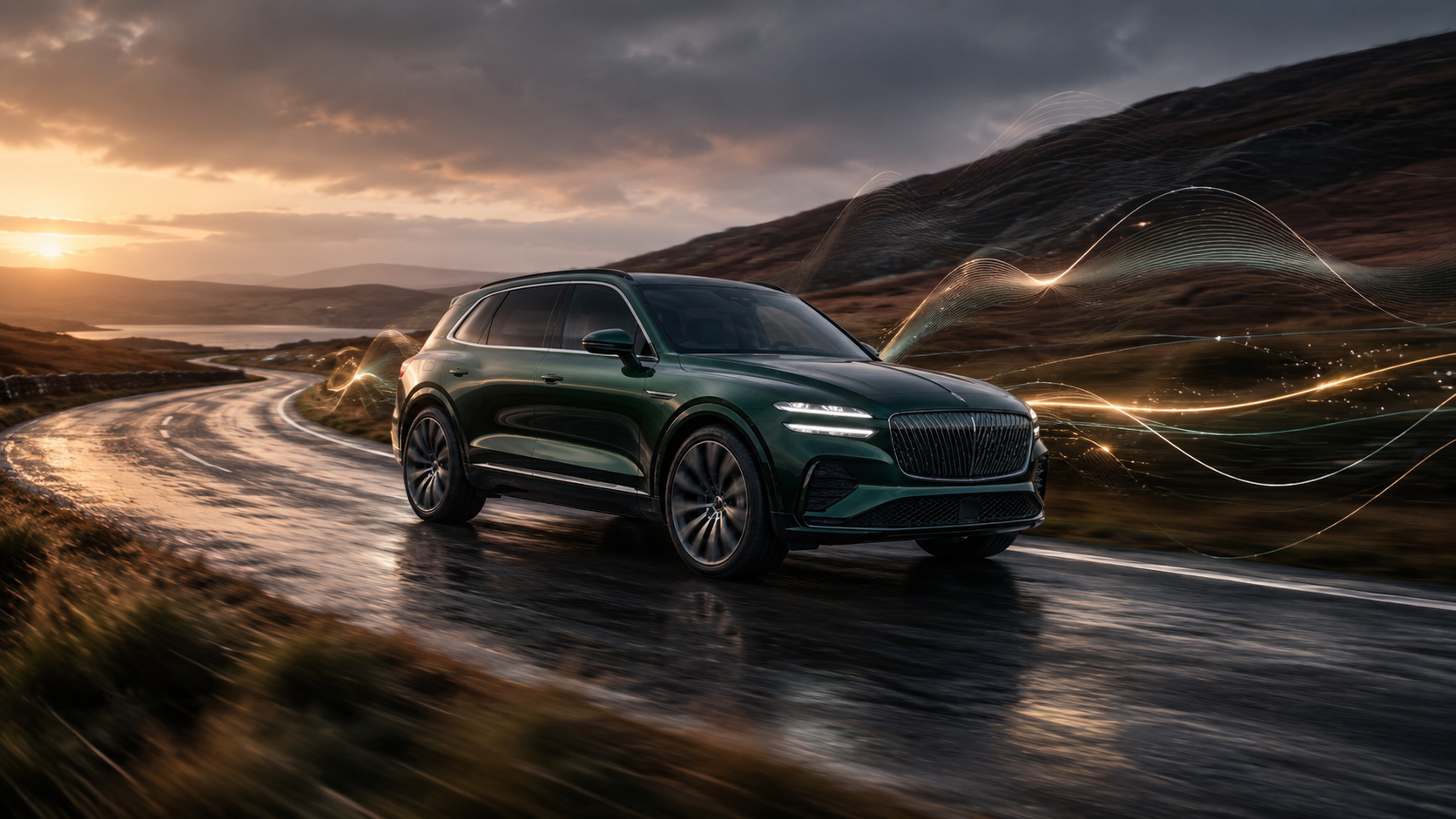
Bentley is preparing to introduce a new kind of driving sound for its upcoming electric SUV. Instead of copying the roar of a petrol engine, the luxury carmaker plans to use a specially created audio track built around drums, bass and orchestral instruments.

The upcoming electric crossover, reportedly named the Bentley Torcal, is expected to make its public debut later in 2026. It will mark an important step in Bentley’s move toward fully electric vehicles while still attempting to preserve the emotional and performance-focused character of the brand.

Electric vehicles are naturally much quieter than petrol or diesel cars. While this creates a calm and refined cabin, it can also make acceleration feel less dramatic. Traditional cars use engine revs, exhaust notes and gear changes to give drivers a sense of speed and power. Bentley wants to recreate that emotional feedback in a completely new way.

To develop the Torcal’s sound, engineers reportedly studied several important Bentley engines from the company’s history. These included older six-cylinder units, large V8 engines and the well-known W12 powertrain. Rather than recording and replaying those engine sounds, the team examined their rhythm and movement.

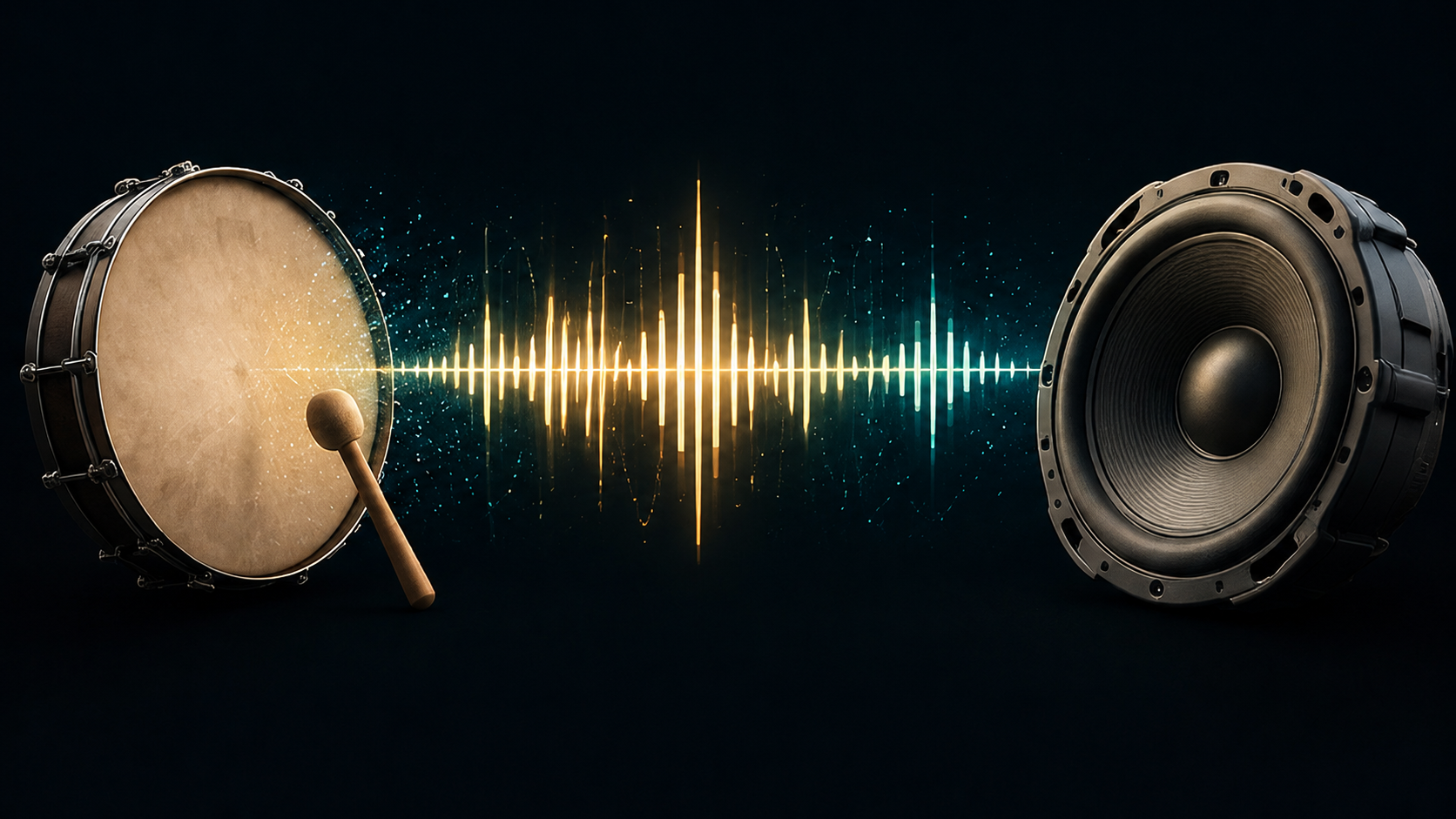
Engineers found that combustion engines produce a repeated pulse that can be compared to percussion. Each power stroke creates a beat, and the slight differences between those beats give an engine its natural character. Bentley used this idea as the starting point for the new electric soundtrack.

When the driver presses the accelerator, the Torcal will reportedly respond with a deep drum-based sound. The rhythm will become stronger and more complex as the SUV gains speed. Additional bass and string instruments may be layered into the track to create a richer and more luxurious effect.

The soundtrack is not expected to sound like a racing simulator or a fake exhaust system. Bentley appears to be aiming for something more musical and sophisticated. The intention is to create an original identity for the electric SUV rather than make it sound exactly like one of the company’s older petrol models.

Another unusual part of the project is the use of small variations in the rhythm. Real musicians do not perform every beat with perfect computer-like timing, and Bentley reportedly wants to preserve some of that natural imperfection. These tiny changes could make the soundtrack feel more human and emotionally engaging.

This approach is different from electric performance cars that recreate gear shifts, turbo noises or exhaust pops. Some manufacturers use synthetic engine sounds to make EVs feel familiar, while Bentley is moving in a more artistic direction by combining automotive engineering with musical composition.

Drivers may still be able to enjoy a nearly silent cabin when they prefer a relaxed experience. Although Bentley has not revealed all the system settings, the soundtrack could potentially offer different sound modes or adjustable volume levels.

The sound system may also serve a practical purpose. Because electric vehicles accelerate quickly and quietly, drivers can sometimes reach high speeds without noticing. A changing rhythm could provide useful feedback by making acceleration easier to feel and understand.

For Bentley, this sound project is about more than entertainment. Luxury carmakers will need new ways to make their electric vehicles feel distinctive, and the Torcal’s drum-inspired soundtrack could become an important part of Bentley’s electric identity.

Jan 092026
 

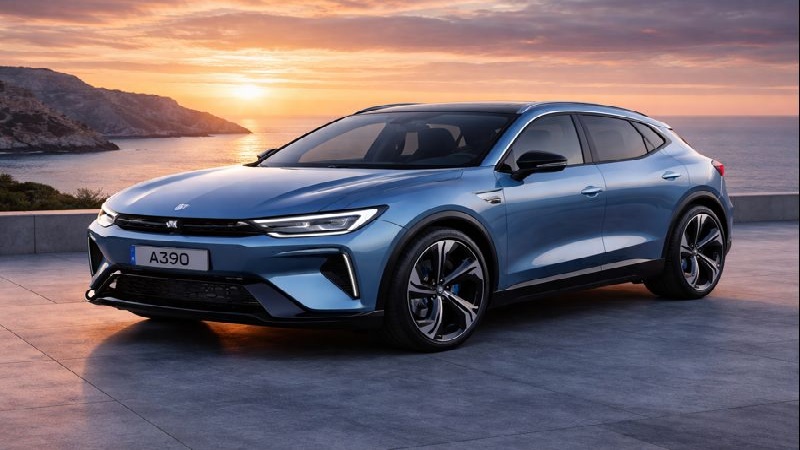
The Alpine A390 is a striking new entry in the electric vehicle world, marking a bold step for the French performance brand Alpine as it embraces electrification while staying true to its sporty roots. Officially unveiled in May 2025 and set for production deliveries in early 2026, the A390 is Alpine’s first dedicated SUV-style electric fastback and the second fully electric model in the marque’s “Dream Garage” line of EVs. It is a five-door, five-seat compact crossover SUV that blends dynamic performance with everyday usability, and it will be built at Alpine’s historic Dieppe factory in France.

Under the skin, the A390 uses an 89 kWh battery pack and is offered in multiple powertrain configurations, including a tri-motor all-wheel-drive setup. In the base GT version, the combined output is about 400 hp (295 kW) and around 661 Nm of torque, which propels the car from 0-100 km/h in around 4.8 seconds with a top speed near 200 km/h. The higher-output GTS version boosts that to roughly 470 hp (346 kW) and 824 Nm, cutting the sprint to 3.9 seconds and raising the electronically-limited top speed to 220 km/h. Both versions share the same battery and platform but deliver distinctly different performance characters.

One of the A390’s standout features is its impressive electric range. The GT model can travel up to about 555 km (345 miles) on a full charge under WLTP testing, while the GTS still manages around 515 km (320 miles) despite its higher power output. It supports rapid DC charging up to 190 kW, enabling a 15-80 % charge in roughly 25 minutes on compatible stations, and bidirectional charging (V2L/V2G) comes standard, allowing energy to be used outside the car or fed back to the grid.

The A390 combines Alpine’s sports car DNA with a practical layout. Its coupé-like roofline and aerodynamic bodywork reflect Alpine’s motorsport heritage while still offering competitive interior space and utility compared with other EV crossovers. The cabin typically features premium materials, dual 12-inch displays, and a driver-oriented interface that balances touchscreen controls with physical buttons for key functions, giving it a quality feel that bridges performance and comfort.

Performance-oriented technologies such as Active Torque Vectoring distribute power between wheels to enhance agility and traction, making the A390 feel more nimble than many of its SUV rivals. The tri-motor system not only boosts straight-line speed but also improves cornering precision and responsiveness, part of Alpine’s effort to deliver a “racing car in a suit” experience.

Visually, the A390 stands out with its elegant yet assertive design, sporting sculpted side profiles, bold lighting signatures, and a stance that positions it between traditional SUVs and sport fastbacks. Its chassis and suspension are tuned to balance everyday comfort with dynamic control, and features like torque vectoring, AWD traction, and performance-oriented brake systems underscore its dual-purpose nature as both a daily driver and a spirited EV.

In terms of pricing, early figures from European markets suggest that Alpine is positioning the A390 competitively within the premium electric SUV segment, with prices starting in the €67,500–€78,000 range (roughly $70,000 – $82,000 USD equivalent) depending on trim and options, though exact figures vary by region.

Overall, the Alpine A390 represents a significant evolution for Alpine as it transitions from its traditional sports car lineage into the electrified future. By combining performance-centric engineering, practical EV range, upscale design, and advanced tech, the A390 seeks to rival established models like the Porsche Macan EV and other sporty electric crossovers while retaining the unique character associated with the Alpine brand.

WordPress › Error

There has been a critical error on this website.

Learn more about troubleshooting WordPress.