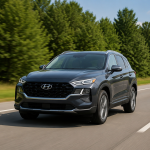
Hyundai Motor America is recalling 294,128 vehicles in the United States because of a potentially serious seat-belt anchor defect. According to the US National Highway Traffic Safety Administration, affected seat-belt anchors may detach and fail to restrain occupants properly during a collision, increasing the risk of injury.
The recall covers selected Hyundai, Genesis and hybrid models manufactured across several model years. The affected vehicles include certain 2023–2025 Hyundai Ioniq 6 electric sedans, 2023–2026 Genesis G90 luxury sedans, and 2024–2026 Hyundai Santa Fe and Santa Fe Hybrid SUVs.
The safety issue is connected to seat-belt anchors in the driver and front-passenger seating positions. These anchors are designed to secure the seat belt firmly to the vehicle structure and help keep occupants in place during sudden braking or a crash. If an anchor separates, the seat belt may not provide the expected level of protection.
Seat belts are an important part of a vehicle’s occupant-restraint system. They work alongside airbags, reinforced body structures and other safety technologies to reduce occupant movement during an accident. A detached anchor could allow excessive movement and increase the possibility of serious injury, even when the occupant is wearing the seat belt correctly.
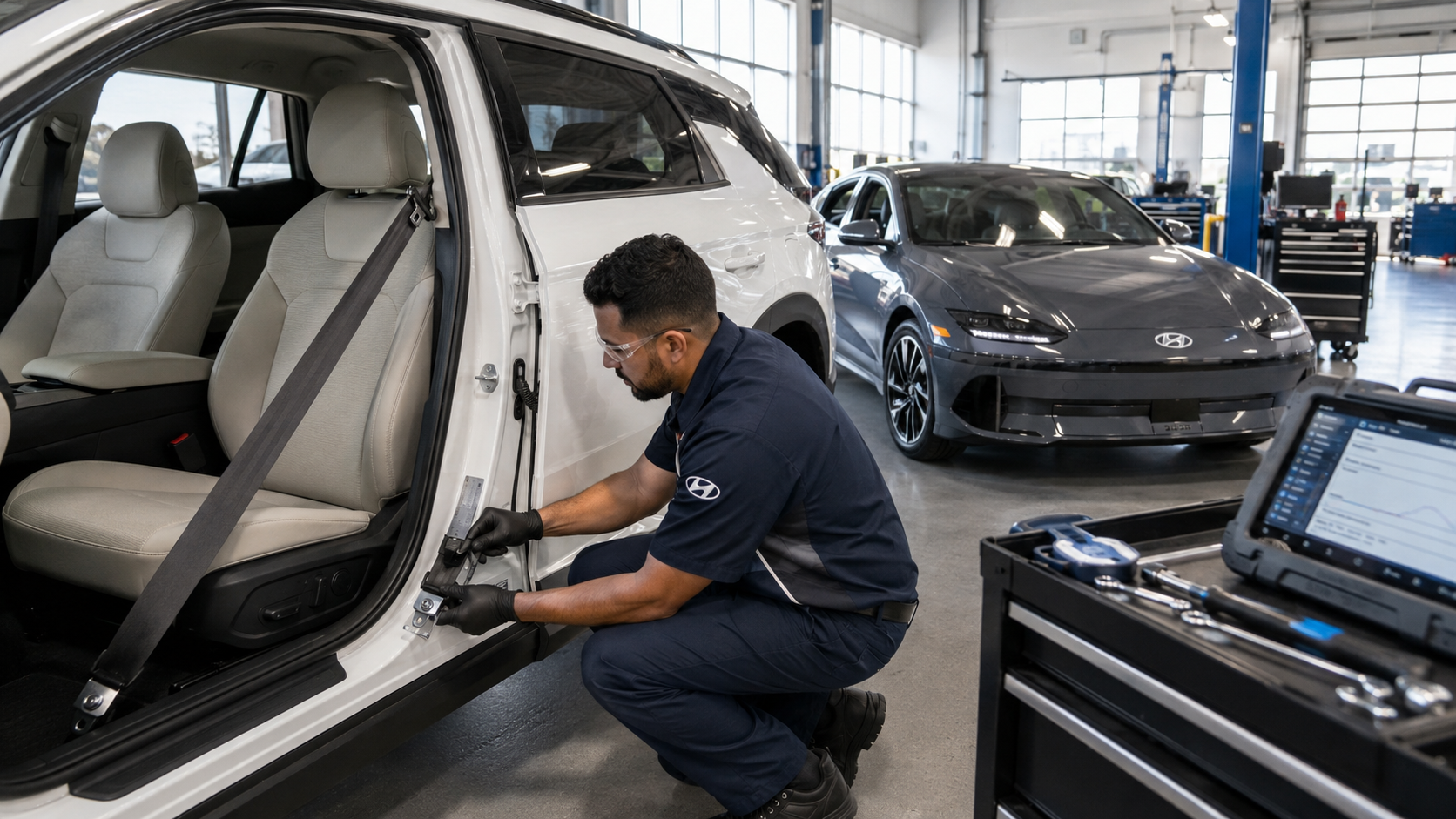
Hyundai dealers will inspect the affected seat-belt anchors to determine whether repairs are required. Depending on the condition of the components, technicians will reinforce or completely replace the anchors. All necessary recall inspections and repairs will be performed free of charge for vehicle owners.
Owner-notification letters were expected to begin being mailed on June 5, 2026. The Vehicle Identification Numbers of vehicles included in the campaign became searchable through the NHTSA recall database from April 8, allowing owners to check whether their individual vehicle is affected.
Owners of potentially affected vehicles should look for an official notification from Hyundai or Genesis and contact an authorised dealership to arrange an inspection. Drivers can also use their vehicle’s 17-character VIN to check its recall status through the official NHTSA recall-search service.
The recall does not mean that every one of the 294,128 vehicles has already experienced an anchor failure. Recall campaigns generally cover vehicles that may contain a potentially defective component, allowing manufacturers to inspect and repair them before the issue causes an accident.
The affected Hyundai Ioniq 6 is the company’s streamlined electric sedan, while the Santa Fe and Santa Fe Hybrid are popular family SUVs. The Genesis G90 is a flagship luxury sedan sold through Hyundai Motor Group’s premium Genesis brand. The large number of different models involved suggests that the seat-belt anchor component or its installation process may have been shared across multiple vehicle programmes.
This recall is separate from Hyundai’s previous campaign involving more than 568,000 Palisade SUVs from the 2020–2025 model years. That earlier recall concerned seat-belt buckles that might not latch correctly, particularly in colder conditions, rather than anchors that could detach from the vehicle.
Vehicle recalls are an important part of automotive safety management. They allow manufacturers and regulators to correct possible defects after vehicles enter service. Owners should not ignore recall notices, even when their vehicles appear to operate normally, because safety-component defects may not produce an obvious warning before a crash occurs.
Hyundai’s recall of more than 294,000 vehicles highlights the importance of properly manufactured and securely installed restraint-system components. Affected owners should verify their vehicles, follow Hyundai’s instructions and complete the free dealership inspection and repair as soon as possible.