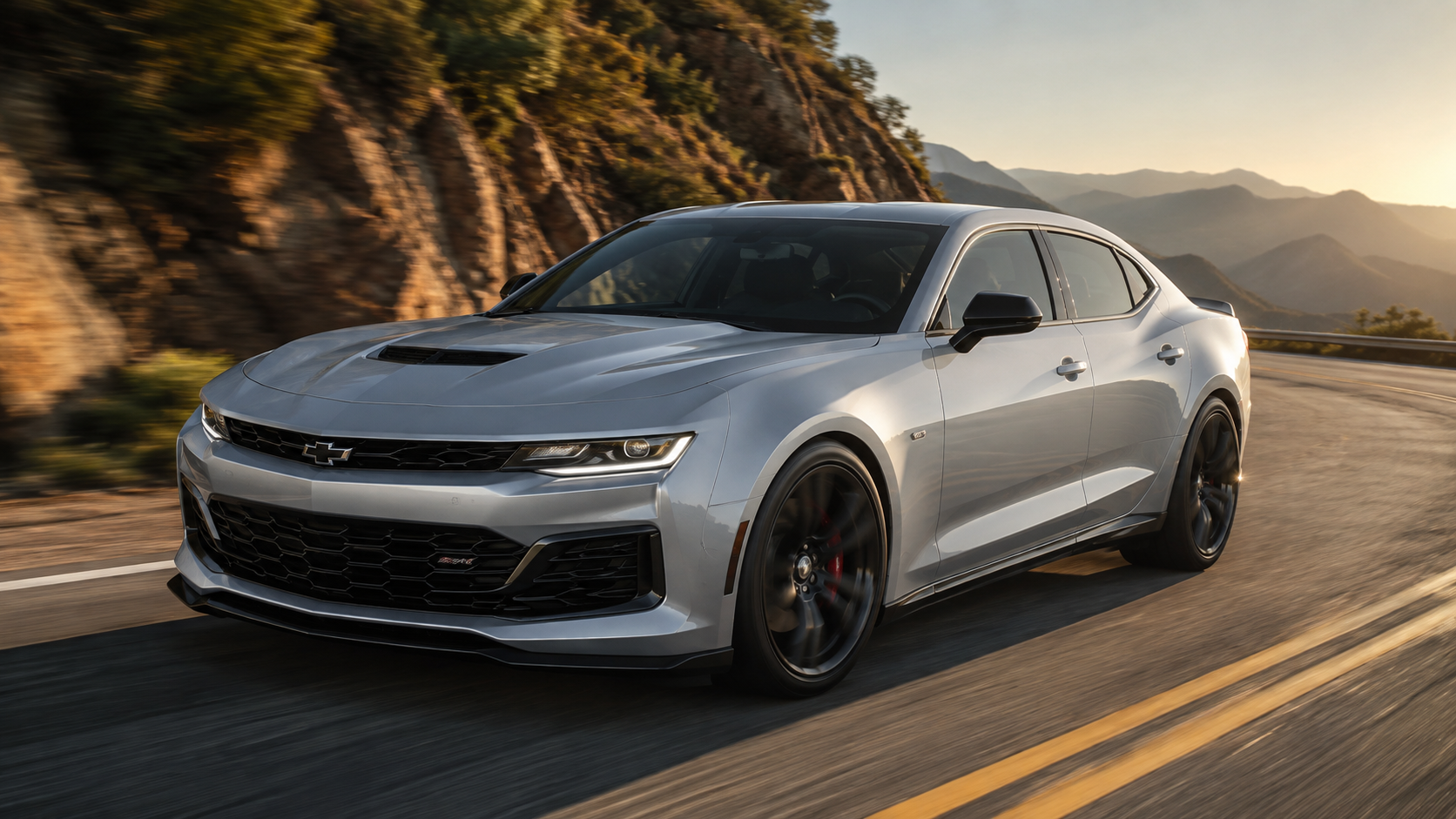
Chevrolet could be preparing to bring back the Camaro in a very different form, with a new report suggesting the next-generation model may become a four-door performance sedan rather than the traditional two-door coupe.
According to reports, the seventh-generation Chevrolet Camaro is now expected to arrive as a 2029 model, which would put its return roughly a year later than some earlier estimates.
Production is reportedly still planned for GM’s Lansing Grand River Assembly plant in Michigan, a facility that has played an important role in General Motors’ performance-car production.
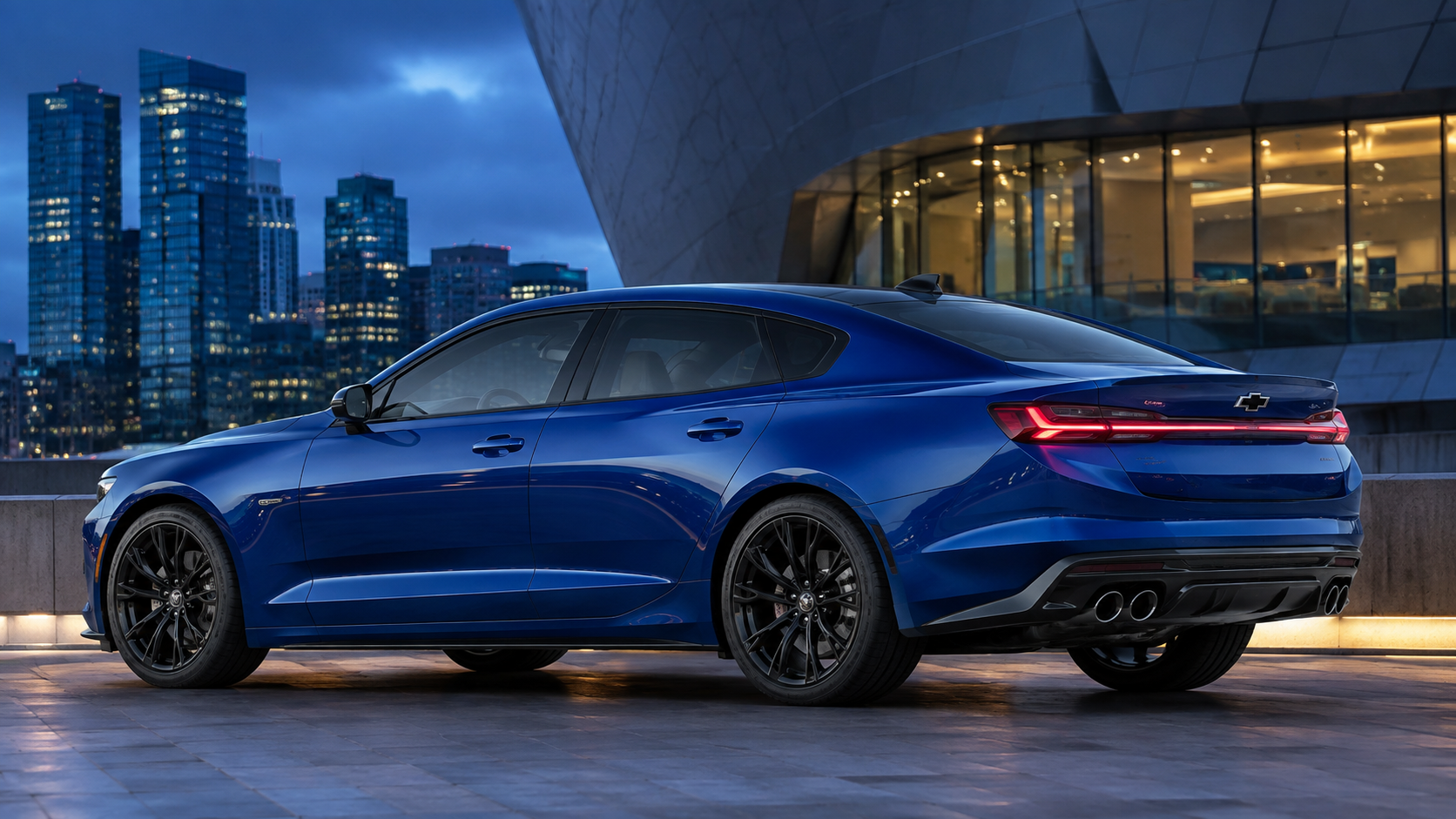
The biggest surprise, however, is the possibility that Chevrolet could transform the Camaro into a four-door sports sedan.
If that happens, the new model would represent one of the most dramatic changes in the Camaro’s history, moving away from the classic coupe layout that has defined the nameplate for decades.
Rather than simply replacing the previous Camaro, the new car could effectively become a spiritual successor to the Chevrolet SS, combining rear-wheel-drive performance with the added practicality of four doors.
General Motors has not officially confirmed the return of the Camaro, so the reported plans should still be treated as unconfirmed speculation.
However, rumors surrounding a new Camaro have continued to grow, with previous reports pointing toward an all-new rear-wheel-drive performance car based on an updated version of GM’s Alpha platform.
That architecture is also expected to support future models such as the next-generation Cadillac CT5 and potentially a new Buick sedan.
One important detail is that the future Camaro is reportedly expected to remain internal-combustion powered, rather than becoming a fully electric vehicle.
That could help Chevrolet preserve the traditional performance character associated with the Camaro name.
Reports also suggest that a manual transmission could remain available, which would be significant for enthusiasts as more performance cars move toward automatic-only or electric powertrains.
Higher-performance versions could potentially receive an even more powerful engine.
One rumor suggests future Camaro variants may eventually use GM’s new naturally aspirated 6.7-liter LS6 V8, although Chevrolet has not officially confirmed any engine specifications.
If the four-door body style becomes reality, it would likely be the most controversial part of the Camaro’s return.
The Camaro has traditionally been known for its long-hood, two-door muscle-car design, so adding rear doors would fundamentally change the way the vehicle looks and how buyers use it.
At the same time, a sedan layout could make the Camaro more practical for everyday driving, offering easier rear-seat access and greater appeal to buyers who want performance without sacrificing usability.
The previous sixth-generation Camaro ended production after the 2024 model year, leaving Chevrolet without a direct replacement for one of its best-known performance models.
Since then, the company has repeatedly suggested that the Camaro name could return in the future, although it has avoided confirming exactly what form the next model will take.
A potential 2029 launch would create a significant gap between generations, but the extra development time could allow Chevrolet to rethink the Camaro for a changing performance-car market.
For now, important details including the final body style, engine lineup, transmission choices, pricing and launch timing remain uncertain.
If the latest reports prove accurate, the next Chevrolet Camaro could return not as a traditional muscle coupe, but as a rear-wheel-drive four-door performance sedan with combustion power and enthusiast-focused engineering.
That would make the seventh-generation Camaro one of the biggest reinventions in the nameplate’s nearly 60-year history.