Mar 052026
 

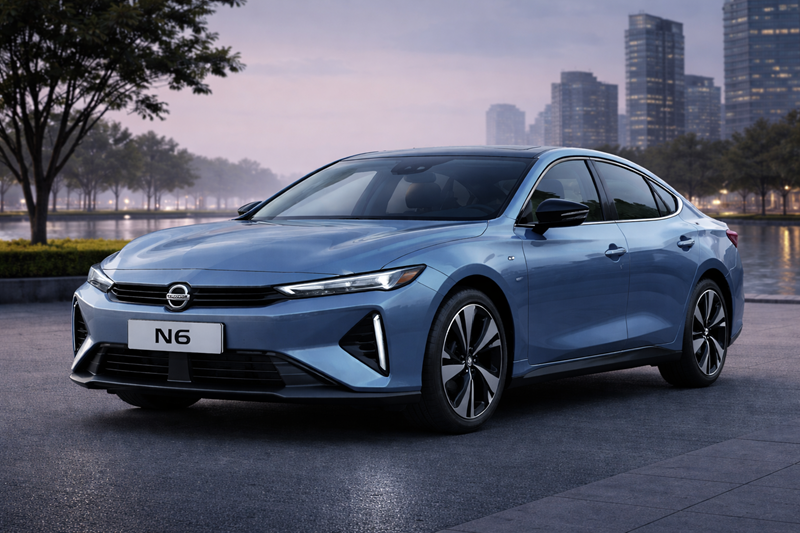
The Nissan N6 is a mid-size plug-in hybrid sedan developed by Nissan in partnership with Dongfeng. It was officially revealed in October 2025 and went on sale in China in December 2025. The car belongs to the D-segment (mid-size sedan class) and is designed to provide the comfort and size of a family sedan with modern electrified technology. Nissan built the N6 on its Tianyan architecture, which is also used for the fully electric Nissan N7, showing the company’s push toward hybrid and electric vehicles.

The Nissan N6 uses a plug-in hybrid powertrain that combines a 1.5-liter four-cylinder gasoline engine with a powerful electric motor. The petrol engine produces about 101 horsepower, while the electric motor generates around 208 horsepower and 320 Nm of torque. This combination allows the car to accelerate from 0 to 100 km/h in about 6.8 seconds, offering strong performance for a mid-size sedan. The gasoline engine mainly acts as a generator to support the electric system when the battery runs low.

The car is equipped with a 20.3–21.1 kWh lithium-iron-phosphate battery, giving the N6 an electric-only driving range of about 170–180 km (CLTC cycle). This means drivers can use the car like an electric vehicle for daily city driving and rely on the gasoline engine for longer trips. The battery also supports fast charging, allowing it to charge from 30% to 80% in roughly 17–20 minutes, which helps reduce waiting time during charging stops.

Inside, the Nissan N6 focuses on comfort and advanced technology. Depending on the trim level, it features a 10.25-inch digital instrument cluster, a 14.6- to 15.6-inch touchscreen infotainment system, ambient lighting, and advanced driver-assist features. Higher trims include Nissan’s AI “Zero-Pressure” seats with sensors, massage, heating, ventilation, and multiple adjustment settings to improve comfort during long drives. The overall design includes modern styling elements such as a full-width light bar, hidden door handles, and a sleek aerodynamic body.

The exterior design of the Nissan N6 reflects Nissan’s modern design philosophy with a sleek and aerodynamic shape. The car features a smooth front fascia with slim LED headlights and a stylish grille that gives it a futuristic appearance. A full-width LED light bar at the rear enhances its premium look, while the sculpted body lines improve both aesthetics and aerodynamics. The sedan also comes with hidden door handles and stylish alloy wheels, helping it achieve a cleaner design and better airflow efficiency.

In terms of size and practicality, the Nissan N6 is designed to provide a spacious cabin for families and long-distance travel. As a D-segment sedan, it offers generous legroom and headroom for both front and rear passengers. The large wheelbase improves interior comfort and stability during high-speed driving. The trunk space is also designed to accommodate everyday luggage, making the N6 a practical choice for commuters and family trips.

The technology features of the Nissan N6 are another highlight of the vehicle. It includes a modern infotainment system with smartphone connectivity, voice control, and intelligent navigation. Drivers can access various vehicle settings and entertainment options through the large touchscreen display. The car also supports over-the-air (OTA) software updates, which allow Nissan to improve the vehicle’s performance and features without requiring a visit to a service center.

Jan 292026
 

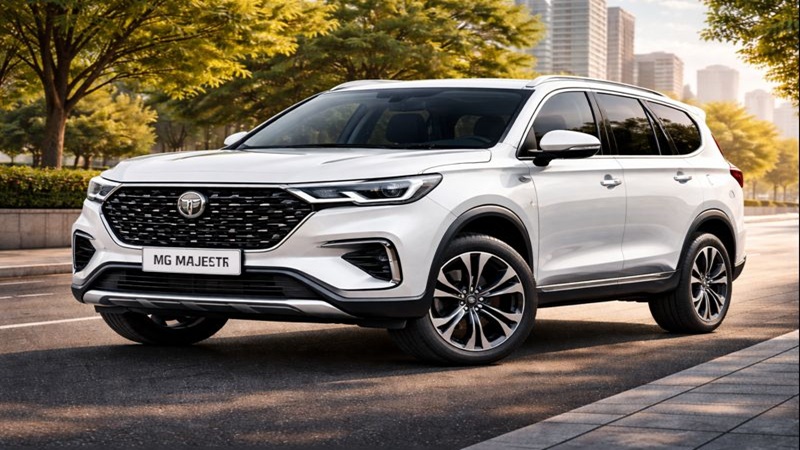
The MG Majestor is an all-new flagship SUV from MG Motor India, scheduled for official launch on February 12, 2026, with teasers already revealing its bold road presence and modern design cues. Positioned above the existing MG Gloster in MG’s lineup, the Majestor is engineered to compete directly with premium body-on-frame SUVs like the Toyota Fortuner Legender and other flagship rivals. This new model is being introduced as India’s first “D+ segment” SUV, which means it’s larger and more premium than typical D-segment SUVs currently on sale, boasting a commanding stance, tallest and widest dimensions in its class, and a distinctive Majestic Matrix front grille with sharp split-headlamps and falcon-type DRLs.

Under the hood, the MG Majestor is expected to be powered by a 2.0-litre four-cylinder diesel engine paired with an 8-speed automatic gearbox, offering robust performance for both on-road and off-road driving. According to reports, the engine’s output is likely around 216 PS of power and up to 480 Nm of torque in the higher tune, with 4×4 drive capability available — making it suitable for rugged terrains as well as highway cruising. This powertrain setup is similar to the internationally sold Maxus D90/Gloster platform, which the Majestor builds upon but with significant design and feature enhancements.

Inside, the Majestor is expected to feature a premium and technology-rich cabin, with a large free-floating 12.3-inch touchscreen infotainment system, an all-digital instrument cluster, a panoramic sunroof, and a suite of advanced comfort features including ventilated/heated seats with massaging functionality, three-zone climate control, and a high-end audio system. Connectivity and convenience will likely be strong points, with Android Auto and Apple CarPlay, wireless charging, and connected car tech anticipated across higher trims. On the safety and driver-assistance front, Level-2 ADAS features such as adaptive cruise control, lane-keep assist, blind-spot monitoring, and a 360° camera setup are expected to be offered, elevating the Majestor’s appeal in the premium SUV segment.

In terms of pricing, the MG Majestor is expected to be priced in a “premium” range, with estimates around ₹40–₹50 lakh (ex-showroom) in India for the base and higher trims, while some publications suggest starting prices could be closer to ₹46 lakh for the initial variants. Final pricing may vary by city and feature level at launch. With its combination of commanding dimensions, powerful diesel engine, advanced tech and safety suite, and luxurious interior features, the MG Majestor is being positioned as a serious challenger in India’s full-size SUV market — appealing to buyers who want more space, capability, and premium features than typical mid-size SUVs.

Jan 222026
 

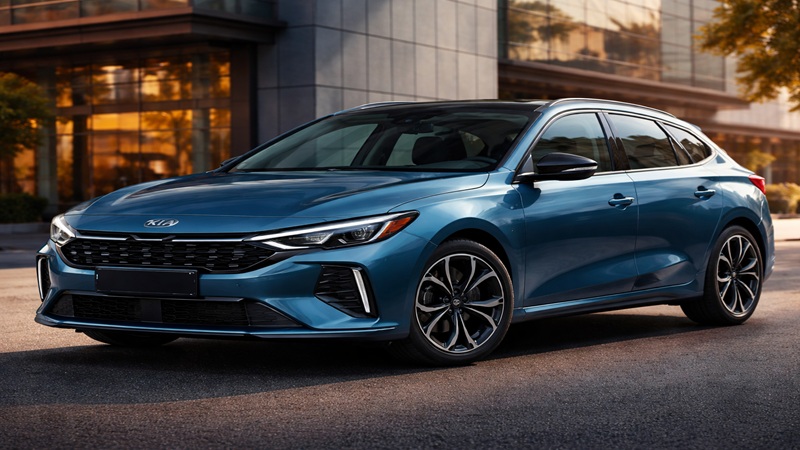
The Kia K4 Hatchback (2026 model year) is Kia’s new compact hatch designed to give the K4 sedan’s tech and styling in a more practical shape. Compared with the sedan, the hatch keeps the same front-end look up to the C-pillars, but the rear is shorter and shaped for a liftgate, making it feel sportier and more versatile for everyday use. Even with the shorter overall length, early reports highlight that the hatchback can offer more usable cargo room than the sedan thanks to the taller, more accessible rear opening.

On the powertrain side, the K4 Hatchback mirrors the K4 sedan lineup. The standard engine is a 2.0-liter four-cylinder making 147 hp, paired with a CVT and driving the front wheels. If you want more punch, the GT-Line Turbo upgrades to a 1.6-liter turbo four with 190 hp and an 8-speed automatic (a conventional automatic, not a CVT), giving it stronger acceleration and a more “normal” sporty feel in daily driving.

Where the K4 Hatchback aims to stand out is the blend of interior space + modern cabin tech. Kia’s official materials highlight an available Digital Cockpit with a 29.6-inch combined display, plus a roomy interior focus (including strong rear-seat legroom messaging). Practicality is a big part of the pitch too: outlets note around 22.2 cubic feet of cargo space with the rear seats up and up to about 59 cubic feet with the seats folded, which is big for this class and exactly why hatchbacks still have fans.

Trim and pricing info has also started to land. Kia has publicly announced pricing for the 2026 K4 Hatchback, positioning it as a stylish alternative to compact rivals like the Civic hatch/Mazda3/Corolla/Impreza crowd while still aiming for value. Some coverage has cited pricing in the mid-$20k to around $30k range depending on trim and options, but the exact out-the-door number will vary by destination, packages, and dealer add-ons.

WordPress › Error

There has been a critical error on this website.

Learn more about troubleshooting WordPress.