Mar 052026
 

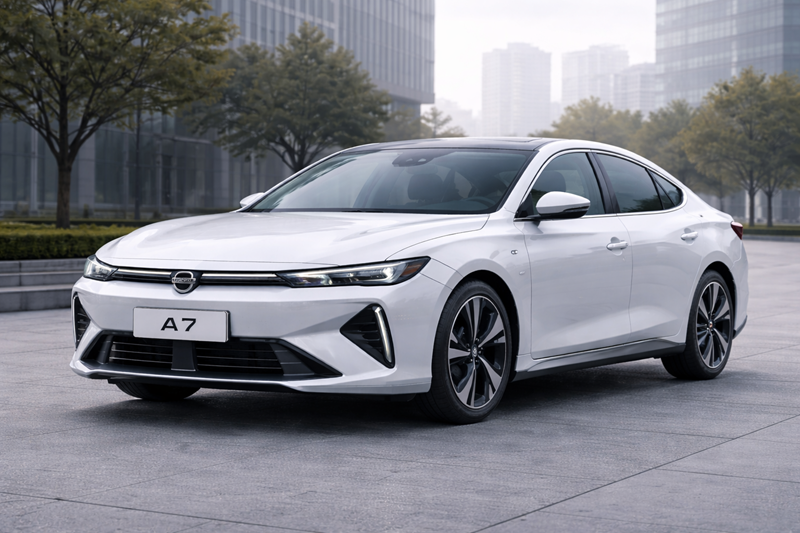
The Geely Galaxy A7 is a mid-size plug-in hybrid sedan produced by Chinese automaker Geely under its Galaxy sub-brand. The model was officially launched in China in August 2025 and is designed to compete in the growing hybrid sedan segment. Positioned between other Galaxy models, the A7 aims to offer modern design, high efficiency, and advanced hybrid technology for everyday family use. The car belongs to the D-segment sedan class and is primarily targeted at competitors such as the BYD Seal 06 DM-i and other hybrid sedans in the market.

The Galaxy A7 is built on Geely’s Global Intelligent New Energy Architecture (GEA) platform, which is designed specifically for hybrid and electric vehicles. This platform allows the vehicle to integrate advanced electrification systems while maintaining a spacious cabin and good driving stability. The sedan measures about 4,918 mm in length, 1,905 mm in width, and 1,495 mm in height, with a 2,845 mm wheelbase, providing ample interior space and comfort for passengers.

Under the hood, the Geely Galaxy A7 features a plug-in hybrid powertrain that combines a 1.5-liter naturally aspirated gasoline engine with a powerful electric motor. The petrol engine produces around 109–112 horsepower, while the electric motor can generate approximately 235–238 horsepower, delivering strong overall system performance. This setup uses Geely’s advanced NordThor AI Hybrid 2.0 system, designed to optimize power delivery, efficiency, and smooth driving experience.

One of the most impressive features of the Galaxy A7 is its extremely long driving range. When the battery is fully charged and the fuel tank is full, the car can travel more than 2,100 kilometers according to the CLTC testing cycle. Even when the battery is depleted, the sedan maintains excellent fuel efficiency with consumption as low as about 2–2.7 liters per 100 km, making it one of the most efficient hybrid sedans in its class.

The Galaxy A7 also offers multiple battery options, including lithium-iron-phosphate (LFP) battery packs of different capacities. Depending on the variant, the car can drive around 60 km to 130 km on electric power alone under the CLTC standard. This electric-only capability allows drivers to use the vehicle like a pure electric car for short city commutes while relying on the gasoline engine for longer journeys.

In terms of design, the Geely Galaxy A7 adopts the brand’s “Galaxy Ripple” design language. The front features a sleek look with slim LED headlights connected by a full-width light bar, while the rear also uses a continuous LED taillight design. The car includes stylish alloy wheels, chrome window trim, sculpted body lines, and a subtle rear spoiler that enhance both its sporty appearance and aerodynamic performance.

Inside the cabin, the Galaxy A7 focuses on modern technology and comfort. The interior features a digital instrument cluster, a large central touchscreen infotainment system, and a multifunction steering wheel. The cabin layout includes practical physical controls for climate and media, along with smart connectivity features. With its spacious design, advanced hybrid system, and long driving range, the Geely Galaxy A7 is positioned as a modern and efficient family sedan for the new generation of drivers.Meet the Geely Galaxy A7 – The Hybrid Sedan with Massive Driving Range
Mar 052026
 

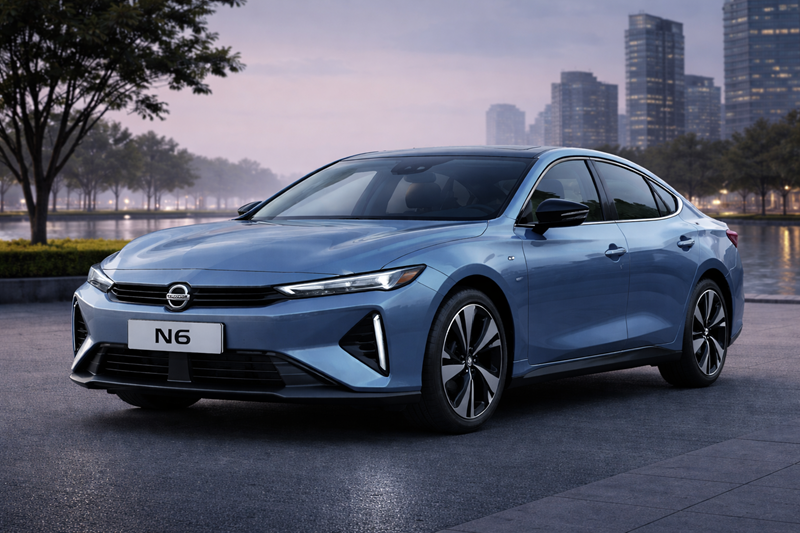
The Nissan N6 is a mid-size plug-in hybrid sedan developed by Nissan in partnership with Dongfeng. It was officially revealed in October 2025 and went on sale in China in December 2025. The car belongs to the D-segment (mid-size sedan class) and is designed to provide the comfort and size of a family sedan with modern electrified technology. Nissan built the N6 on its Tianyan architecture, which is also used for the fully electric Nissan N7, showing the company’s push toward hybrid and electric vehicles.

The Nissan N6 uses a plug-in hybrid powertrain that combines a 1.5-liter four-cylinder gasoline engine with a powerful electric motor. The petrol engine produces about 101 horsepower, while the electric motor generates around 208 horsepower and 320 Nm of torque. This combination allows the car to accelerate from 0 to 100 km/h in about 6.8 seconds, offering strong performance for a mid-size sedan. The gasoline engine mainly acts as a generator to support the electric system when the battery runs low.

The car is equipped with a 20.3–21.1 kWh lithium-iron-phosphate battery, giving the N6 an electric-only driving range of about 170–180 km (CLTC cycle). This means drivers can use the car like an electric vehicle for daily city driving and rely on the gasoline engine for longer trips. The battery also supports fast charging, allowing it to charge from 30% to 80% in roughly 17–20 minutes, which helps reduce waiting time during charging stops.

Inside, the Nissan N6 focuses on comfort and advanced technology. Depending on the trim level, it features a 10.25-inch digital instrument cluster, a 14.6- to 15.6-inch touchscreen infotainment system, ambient lighting, and advanced driver-assist features. Higher trims include Nissan’s AI “Zero-Pressure” seats with sensors, massage, heating, ventilation, and multiple adjustment settings to improve comfort during long drives. The overall design includes modern styling elements such as a full-width light bar, hidden door handles, and a sleek aerodynamic body.

The exterior design of the Nissan N6 reflects Nissan’s modern design philosophy with a sleek and aerodynamic shape. The car features a smooth front fascia with slim LED headlights and a stylish grille that gives it a futuristic appearance. A full-width LED light bar at the rear enhances its premium look, while the sculpted body lines improve both aesthetics and aerodynamics. The sedan also comes with hidden door handles and stylish alloy wheels, helping it achieve a cleaner design and better airflow efficiency.

In terms of size and practicality, the Nissan N6 is designed to provide a spacious cabin for families and long-distance travel. As a D-segment sedan, it offers generous legroom and headroom for both front and rear passengers. The large wheelbase improves interior comfort and stability during high-speed driving. The trunk space is also designed to accommodate everyday luggage, making the N6 a practical choice for commuters and family trips.

The technology features of the Nissan N6 are another highlight of the vehicle. It includes a modern infotainment system with smartphone connectivity, voice control, and intelligent navigation. Drivers can access various vehicle settings and entertainment options through the large touchscreen display. The car also supports over-the-air (OTA) software updates, which allow Nissan to improve the vehicle’s performance and features without requiring a visit to a service center.

Feb 182026
 

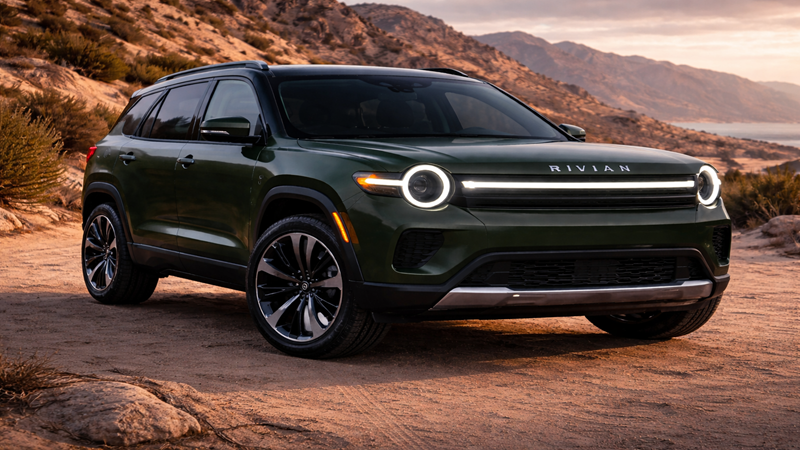
The 2026 Rivian R2 is a completely new electric SUV from American EV maker Rivian, designed to expand the brand’s lineup beyond its premium R1T pickup and R1S SUV. Revealed in 2024 and slated for production and deliveries in the second quarter of 2026, the R2 represents Rivian’s push into a more mainstream, affordable EV market. Built on a dedicated midsize platform and assembled in Normal, Illinois, the R2 is positioned as a competitor to popular electric crossovers like the Tesla Model Y while retaining Rivian’s rugged adventure-ready identity.

Under the skin, the R2 is expected to offer multiple powertrain configurations to suit a wide range of buyers, including single-motor rear-wheel drive, dual-motor all-wheel drive, and higher-performance tri-motor AWD versions. Battery options are anticipated to deliver more than 300 miles of range on a single charge, with estimates around 300 miles depending on configuration. Rivian has focused on cost-effective design and efficiency — including new battery cell formats and simplified architecture — to achieve competitive pricing and strong real-world performance.

The R2’s performance credentials are impressive for its class, with early reports suggesting dual-motor versions could produce around 656 horsepower and accelerate briskly, making it a spirited alternative to rivals on both road and trail. Charging capabilities are competitive, with fast-charging support that can bring the battery from 10 % to 80 % in roughly 30 minutes, making long trips more practical. Rivian also integrates outdoor-ready design cues, high ground clearance, and features aimed at adventure-minded drivers — traits that echo the brand’s “Electric Adventure Vehicle” ethos.

Inside, the R2 is expected to deliver the brand’s modern yet functional cabin experience, combining rugged utility with thoughtful tech. Though full interior details are still emerging, the SUV is designed to offer comfortable seating for five, clever storage solutions, and Rivian’s technology suite, which prioritizes connectivity, driver-assistance systems, and over-the-air updates. With a starting price estimated around $45,000, the R2 aims to make Rivian’s signature blend of capability, comfort, and innovation more accessible to everyday EV buyers, potentially becoming a core driver of Rivian’s growth in 2026 and beyond.

WordPress › Error

There has been a critical error on this website.

Learn more about troubleshooting WordPress.