Jun 102025
 

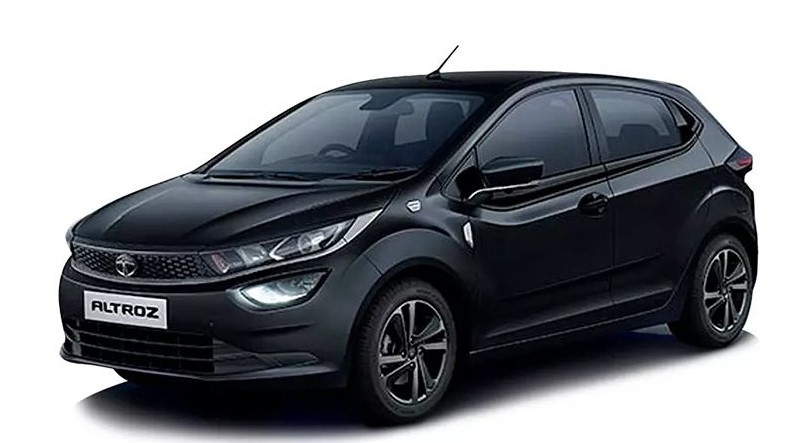
Launched on 22 January 2020, the Tata Altroz ushered in a bold new era for premium B‑segment hatchbacks in India, earning a 5‑star adult safety rating from Global NCAP . Underneath its sculpted exterior lies Tata’s ALFA‑ARC platform with doors that swing open to 90°, LED projector headlamps, rain‑sensing wipers, and sleek Harman‑tuned 7‑inch touchscreen with Apple CarPlay and Android Auto

Inside, the Altroz blends elegance and tech: a semi‑digital 7‑inch driver display (upgraded to 10.25‑inch digital in the recent facelift), USB‑C ports, ambient lighting, cooled glovebox, and rear AC vents. Higher variants add push‑button start, cruise control, auto‑climate, a panoramic sunroof (facelift models), power‑fold mirrors, and even optional leatherette trim and 360° camera . The new facelift, unveiled May 2025, introduces twin‑pod LED headlights, connected LED tail‑lamps, flush door handles, 10.25‑inch Neo‑QLED infotainment, digital instrument cluster, wireless charging, an air‑purifier, and Tata’s iRA connected‑car tech

Power options include a 1.2‑litre naturally‑aspirated Revotron petrol (86 PS/113 Nm), a 1.2‑litre turbo petrol (120 PS/170 Nm)—which powered the now‑discontinued “Racer” variant—and a 1.5‑litre Revotorq diesel (90 PS/200 Nm) Transmission choices range from smooth 5‑speed manuals, a responsive 6‑speed DCT (Altroz DCA), and the facelift adds a 5‑speed AMT . Handling is taut and stable, with responsive steering and ride comfort praised in reviews .

Safety remains a strong suit: dual or six airbags across trims, ABS‑EBD, ISOFIX mounts, ESP, tyre‑pressure monitoring, parking sensors, and a solid crash structure

Boot capacity is best‑in‑class at 345 L, expanding to 665 L with the rear seats folded . The facelift also added enhanced storage, refined materials, and a touchscreen that supports wireless Android Auto/Apple CarPlay.

the Tata Altroz delivers eye‑catching style, segment‑leading safety, engaging dynamics, and a rich tech suite—especially in its facelifted avatar—making it a compelling choice for those seeking a refined, spacious, and feature-loaded premium hatchback.

Dec 032011
 
Thrust-SSC–Great-Britain

Land speed records are synonymous to those who are an the fastest speed on a wheeled vehicle to reach a destination. It would be a motorcycle, a car; even a jet powered vehicle is eligible. The truth is told, in setting speed records, “cars” are non-existent. Land speed records remain the ultimate test of human courage, engineering brilliance, and the relentless pursuit of speed. Unlike production cars, land-speed vehicles are purpose-built machines designed solely to travel faster than anything else on wheels. Governed by organizations such as the FIA (Fédération Internationale de l’Automobile), strict rules apply: a vehicle must complete two runs in opposite directions within a fixed time window to qualify.

No: 01 Thrust SSC – Great Britain (763 mph)Former British Royal Air Force pilot Andy Green set the fastest speed recorded in October 15, 1997 at Black Rock Desert, Nevada. In 763 mph, Green is the first to reach supersonic speed on Earth. The ThrustSSC mixed the know-how of 4 British colleagues, Glynne Bowsher, Ron Ayers, Jeremy Bliss and Richard Noble, himself a record holder. They used a gas turbine engine (turbofan) from Rolls Royce, the recognized leader in aircraft engineering.

Thrust SSC – Great Britain (763 mph)

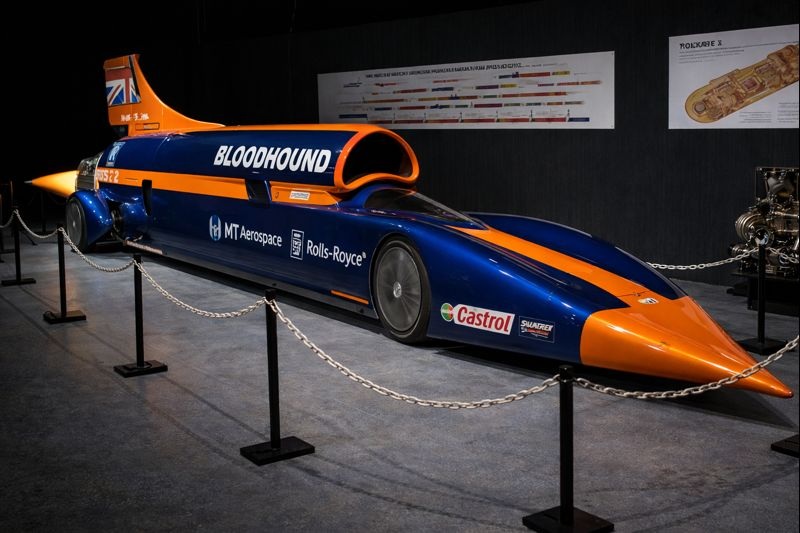
No: 02 Bloodhound LSR – United Kingdom (1,000+ mph, 2025–2026)Bloodhound LSR is the most ambitious land speed project of the modern era and the spiritual successor to Thrust SSC. Designed to exceed 1,000 mph, this British-built machine aims to push well beyond Mach 1 and into uncharted territory. The car combines a Eurojet EJ200 fighter jet engine, a hybrid rocket system, and a high-performance auxiliary engine, all integrated into a carbon-fiber monocoque chassis.

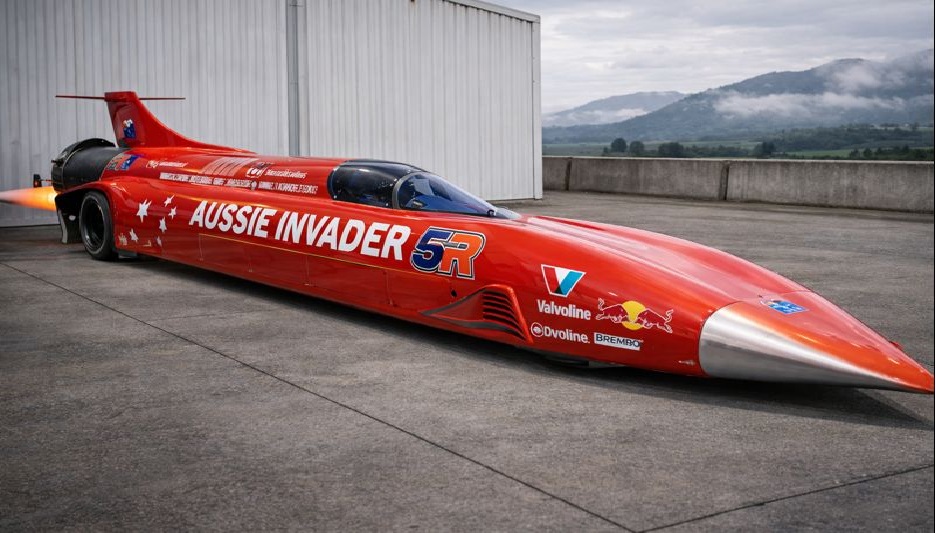
No: 03 Aussie Invader 5R – Australia (Target: 1,000 mph, 2025–2026) Australia’s answer to the land speed challenge is the Aussie Invader 5R, a rocket-powered vehicle engineered to challenge the 1,000-mph barrier. Developed by a dedicated team of Australian engineers, the Invader 5R uses a hybrid rocket propulsion system and advanced aerodynamic design to achieve extreme stability at unprecedented speeds.

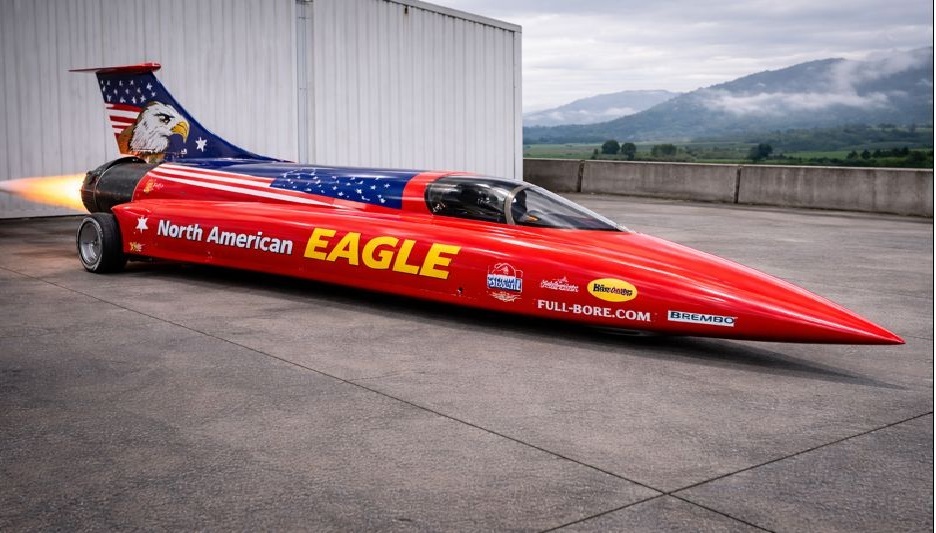
No: 04 North American Eagle – United States (Projected 700+ mph) Built from a Lockheed F-104 Starfighter jet, the North American Eagle represents America’s modern land-speed ambitions.Though a fatal accident in 2019 halted progress temporarily, redevelopment efforts continue. If successful, it could challenge sub-sonic and near-supersonic marks in the mid-700 mph range.

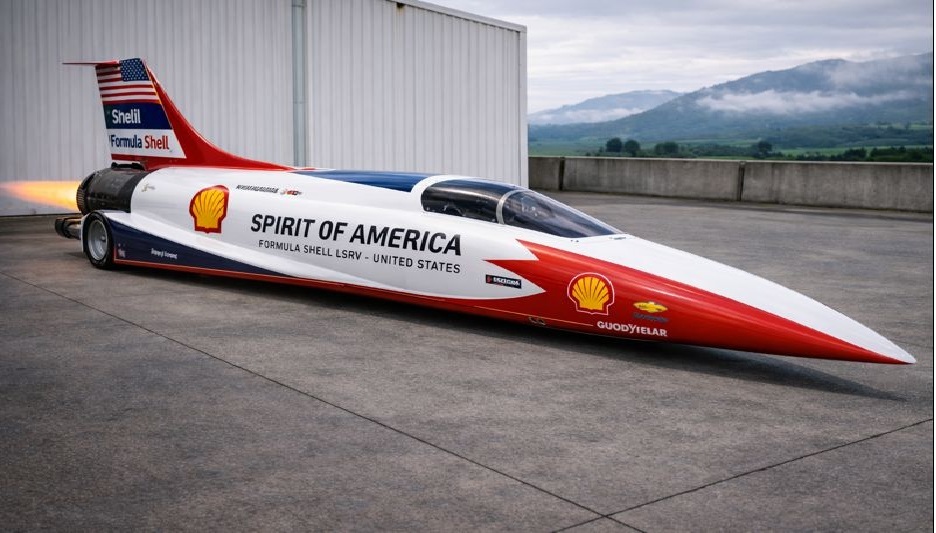
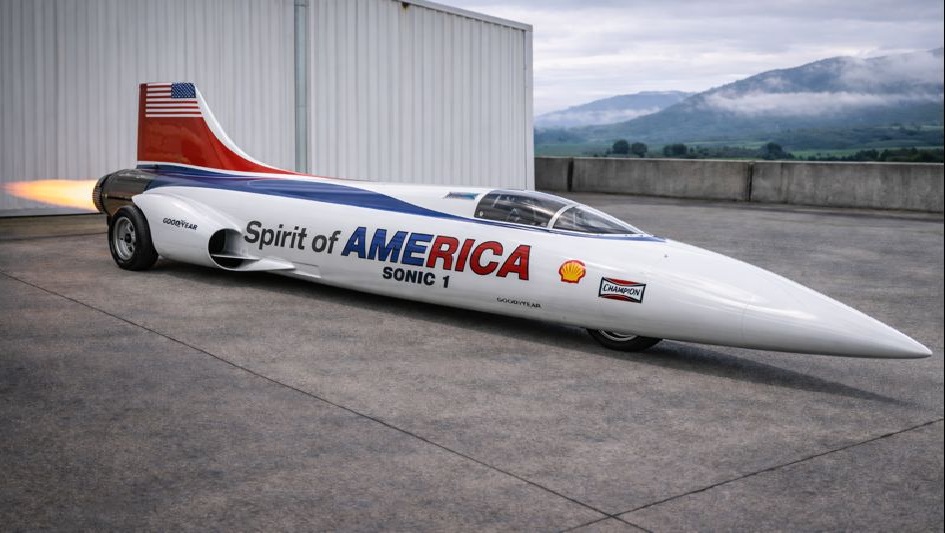
No: 05 Spirit of America Formula Shell LSRV – United States (600 mph) Driven by Craig Breedlove, this jet-powered vehicle dominated the 1960s speed wars.In 1965, Breedlove became the first person to exceed 600 mph on land, setting the stage for modern supersonic ambitions.

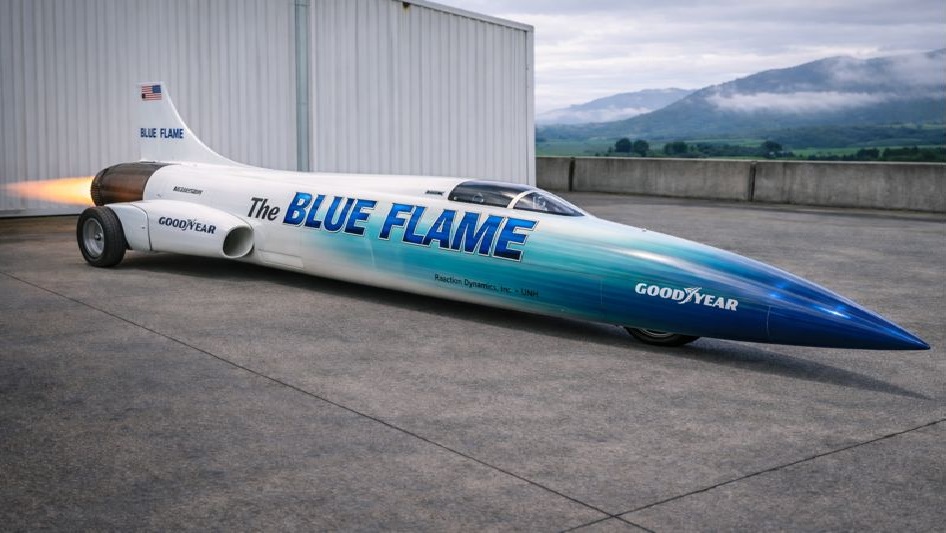
No: 06 Blue Flame – United States (630 mph) A hydrogen-peroxide and LNG-powered rocket car, the Blue Flame stunned the world in 1970 at Bonneville Salt Flats.Driven by Gary Gabelich, it briefly held the land speed record and remains one of the most innovative rocket cars ever built.

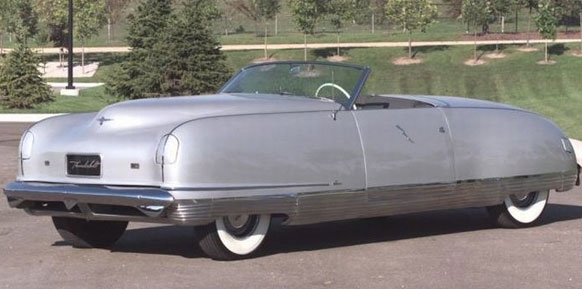
No: 07 Thunderbolt – United Kingdom (345 mph)Using two Rolls Royce R-Type V12 aero engines to drive this vehicle, Captain George Eyston set the record for 25 years. Registration was set on August 28, 1938 at the Bonneville Salt Flats; one year later 2 world war thus began the reason of calm between the records.

thunderbolt-united-kingdom

No: 08 Campbell-Railton Blue Bird – United Kingdom (301 mph)With the Brits move restrictions Blue Bird was driven by 2300 km 36.7 liter supercharged Rolls Royce, V12 engine in setting the record at the time. Sett

campbell-railton-blue-bird-united-kingdom

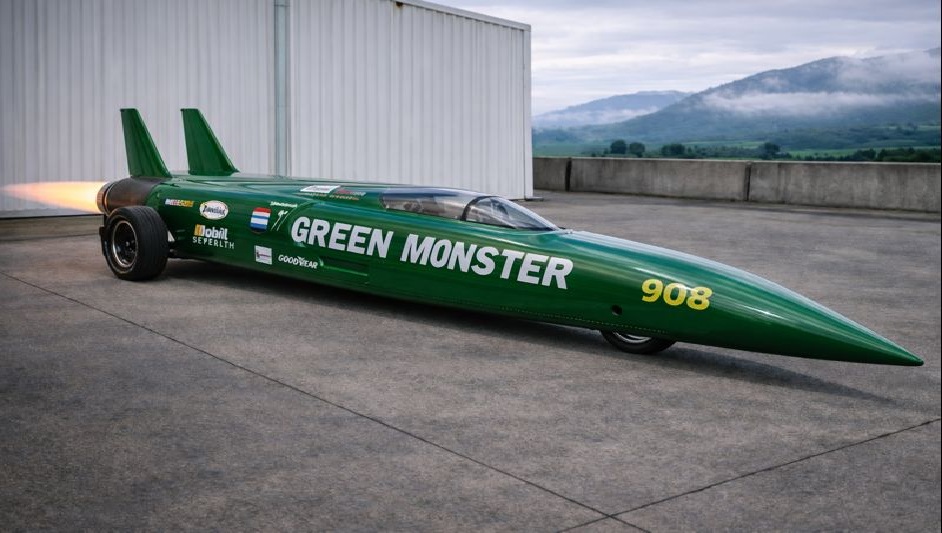
No: 09 Green Monster – United States (576 mph)  Built by Art Arfons, the Green Monster series used surplus jet engines and raw ingenuity.Though its reign was short-lived, it symbolized the wild, experimental era of land speed racing.

No: 10 White Triplex Spirit of Elkdom – United States (207 mph)Using the freedom of the three engines from the previous war, aero, Ray Keech, is an American record in the land speed record which was won by British once. It was in the second run later in the same vehicle, Lee Bible, a man died in his second test.

WordPress › Error

There has been a critical error on this website.

Learn more about troubleshooting WordPress.