Feb 172026
 

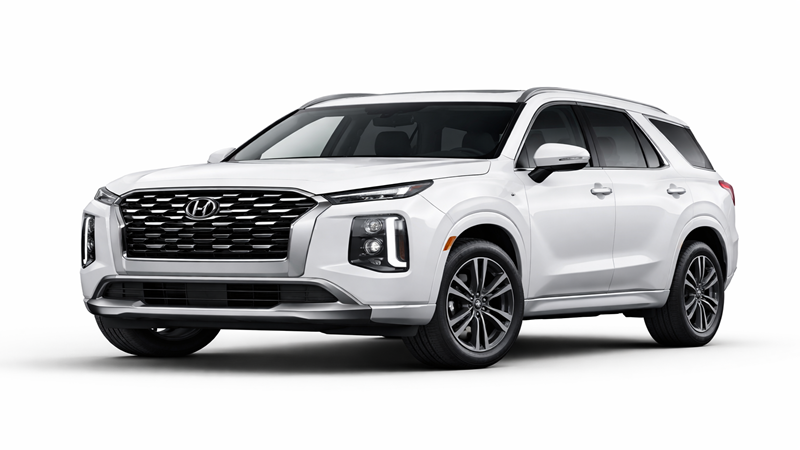
The 2026 Hyundai Palisade Hybrid is Hyundai’s latest evolution of its flagship three-row SUV, bringing electrified performance to one of the brand’s most popular family vehicles. Expected to launch globally in 2026, the Palisade Hybrid builds on the strong foundation of the current Palisade while introducing a more efficient hybrid powertrain, refreshed exterior styling, and upgraded technology. Positioned as a premium large SUV, it will compete directly with models like the Toyota Grand Highlander Hybrid, Kia Telluride (future hybrid variant), Ford Explorer Hybrid, and other electrified three-row SUVs in the midsize-to-full-size segment.

Design-wise, the 2026 Palisade Hybrid is expected to feature a more modern and upscale exterior with a bold front grille, vertically stacked LED headlamps, and sharper body lines to enhance its road presence. Hyundai is likely to incorporate new aerodynamic elements and unique hybrid badging to distinguish it from the standard petrol version. The SUV will retain its commanding stance, wide proportions, and spacious three-row layout, making it ideal for large families seeking both presence and practicality.

Under the hood, the Palisade Hybrid is expected to use a turbocharged 1.6-litre four-cylinder engine paired with an electric motor and battery pack — a setup similar to Hyundai’s latest hybrid systems seen in models like the Santa Fe Hybrid. Combined output is anticipated to be in the range of approximately 230–260 horsepower, delivering smoother acceleration and significantly improved fuel efficiency compared to the conventional V6 petrol engine. An automatic transmission will likely be standard, with both front-wheel-drive and all-wheel-drive options available depending on the market. The hybrid system is designed to offer strong low-end torque from the electric motor while maintaining refined highway cruising capability.

Inside, the 2026 Palisade Hybrid is expected to elevate luxury and technology further. The cabin will likely feature dual 12.3-inch displays for infotainment and instrumentation, premium leather upholstery, ambient lighting, a panoramic sunroof, and advanced connectivity options including wireless Apple CarPlay and Android Auto. Higher trims may include ventilated and heated seats for both front and rear passengers, a premium Bose audio system, and enhanced second-row captain’s chairs for improved comfort. Hyundai’s connected car technology and over-the-air update capability are also expected to be included.

On the safety front, Hyundai is anticipated to equip the Palisade Hybrid with its latest SmartSense suite of advanced driver assistance systems. Features may include adaptive cruise control with stop-and-go, lane-keeping assist, blind-spot monitoring, forward collision avoidance, rear cross-traffic alert, and a 360-degree camera system. Higher variants could offer advanced highway driving assist for semi-autonomous driving support on highways.

Dec 292025
 

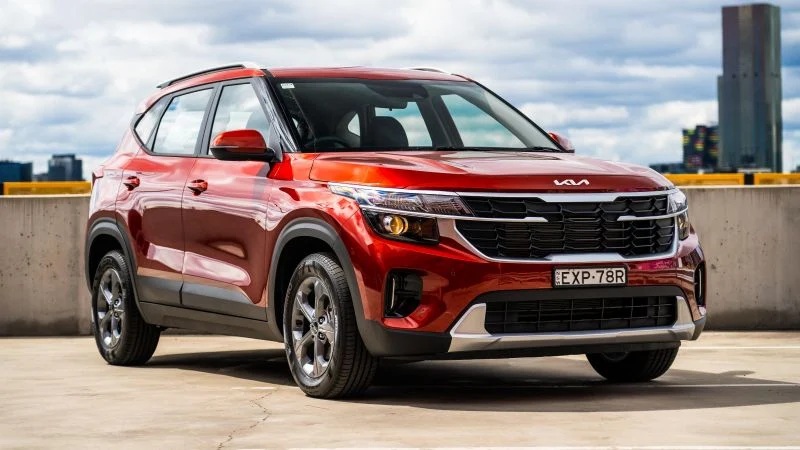
First introduced as Kia’s big India breakthrough on August 22, 2019, the Seltos quickly became the brand’s “category-maker” in the midsize SUV space—an SUV that won buyers by mixing sharp styling, a premium cabin feel, and an engine lineup that could be tailored to calm city commuting or fast highway runs. By 2025, it’s still built around the same winning idea: give customers choice. The current Seltos offers three 1.5-litre powertrains—an efficient naturally aspirated petrol, a punchy turbo-petrol, and a torque-rich diesel—paired with multiple gearboxes depending on the variant. The 1.5 NA petrol makes 115 PS and 144 Nm, the 1.5 diesel puts out 116 PS and 250 Nm, and the 1.5 turbo-petrol delivers a strong 160 PS and 253 Nm, with transmissions spanning manual, CVT/IVT-style automatic, torque-converter automatic, and DCT options across the range.

What keeps the Seltos so easy to live with is that it’s sized “just right” for Indian roads while still feeling like a proper SUV. The 2025 model measures 4,365 mm in length, 1,800 mm in width, and 1,645 mm in height with a 2,610 mm wheelbase, and it backs that up with everyday practicality—433 litres of boot space, 190 mm ground clearance, and a 50-litre fuel tank. Safety and convenience have also been a consistent part of the pitch: Kia’s own brochure highlights 6 airbags, ESC, hill assist, and tech like a 360° camera with Blind View Monitor as part of the Seltos package (variant-dependent for some features).

Now the real escalation begins: Kia has officially moved into the second-generation Seltos era in India, with production started at the Anantapur facility and the SUV built on the newer K3 platform—a full step forward in design, cabin layout, and feature intensity . The new Seltos is locked for an India launch on January 2, 2026, with bookings opened at ₹25,000, and deliveries expected to begin by mid-January. Reports around the reveal describe a noticeably larger footprint—about 4,460 mm long and 1,830 mm wide with a 2,690 mm wheelbase—pushing the stance and interior space further upmarket.

Inside, the next-gen Seltos leans hard into the “premium-tech SUV” identity: media reports highlight a massive 30-inch “Trinity Panoramic Display”, Bose audio, ventilated seats, and an even bigger safety push with Level-2 ADAS said to include 21 autonomous safety features. Importantly, it isn’t abandoning what made it popular—coverage around the India debut says it will continue with petrol, turbo-petrol, and diesel options, keeping the Seltos formula intact while raising the design and technology bar for the segment.

Jun 132025
 

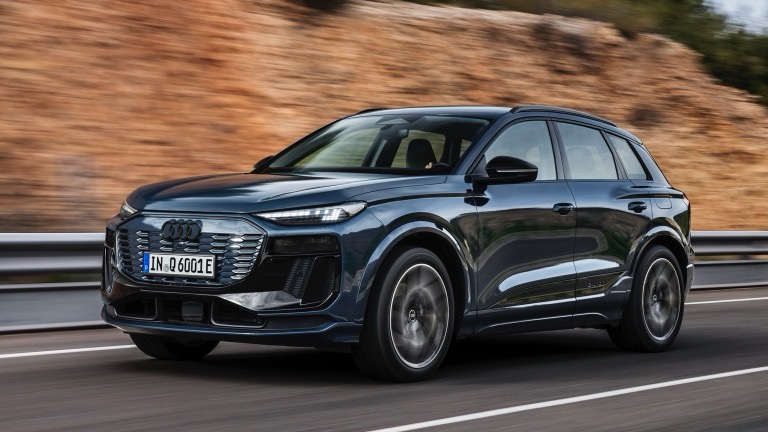
Unveiled on March 18, 2024, the Audi Q6 e‑tron launched as the brand’s trailblazing electric midsize SUV, born from the all‑new Premium Platform Electric (PPE) architecture co‑developed with Porsche, sharing its DNA with the upcoming Macan EV . Audi’s bold stride into electrification begins with this model, ushering in next‑gen hardware and software that will underpin their future lineup. The SUV features a sealed single‑frame grille up front, split‑headlight OLED matrix lighting, and a sleek, aerodynamic silhouette—the Sportback variant optimizes airflow with a drag coefficient of just 0.26.

Its high‑tech cabin is perfectly futuristic: a 14.5″ central touchscreen fused with an 11.9″ digital driver display forms the expansive “Digital Stage” display, complemented by a privacy­‑mode 10.9″ passenger screen . An optional AR head‑up display, AI‑powered “Audi Assistant” with over 800 voice commands, ambient lighting, wireless charging, and an 830‑W Bang & Olufsen 3D sound system with 20–22 speakers elevate the in‑car experience .

With PPE’s 800‑V architecture, the Q6 e‑tron delivers fast ultra‑charging at up to 270 kW—charging from 10 to 80 percent takes just 21 minutes and 10 minutes grants approximately 255 km of range . A large 100‑kWh battery (94.9 kWh usable) powers either a dual‑motor quattro setup or the heart‑racing SQ6 version. The standard Q6 quattro generates ~387–382 PS and 800 Nm, sprinting to 100 km/h in 5.9 s with a 625 km WLTP‑claimed range; the SQ6 packs 510 PS, shaves the sprint to ~4.3–4.2 s, and still achieves ~598 km range .

Practicality is not compromised—526 L of boot space, expandable to 1,529 L with 40:20:40 split seats, plus a 64‑L frunk, ensure daily usability . Safety and convenience shine via Level‑2 ADAS, a 360° camera, heated seats, power tailgate, rear parking assist, and premium build quality with recycled materials .

Set to arrive in India by late 2025 at ~₹1.0–1.1 Cr, the Q6 positions between the Q4 and Q8 e‑tron, rivaling the EQE SUV, BMW iX, and forthcoming EVs like the Kia EV9 . With its blend of elegant design, cutting‑edge tech, scintillating performance, and unmatched charging speed, the Q6 e‑tron heralds a new electric era under Audi’s four rings.

WordPress › Error

There has been a critical error on this website.

Learn more about troubleshooting WordPress.