Jan 222026
 

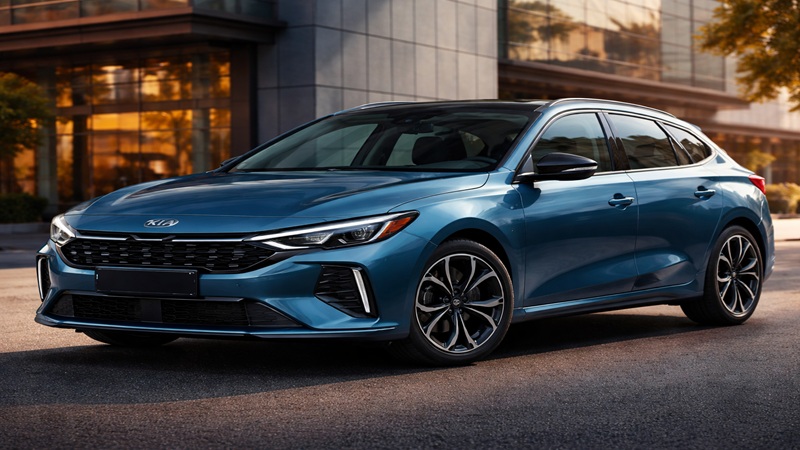
The Kia K4 Hatchback (2026 model year) is Kia’s new compact hatch designed to give the K4 sedan’s tech and styling in a more practical shape. Compared with the sedan, the hatch keeps the same front-end look up to the C-pillars, but the rear is shorter and shaped for a liftgate, making it feel sportier and more versatile for everyday use. Even with the shorter overall length, early reports highlight that the hatchback can offer more usable cargo room than the sedan thanks to the taller, more accessible rear opening.

On the powertrain side, the K4 Hatchback mirrors the K4 sedan lineup. The standard engine is a 2.0-liter four-cylinder making 147 hp, paired with a CVT and driving the front wheels. If you want more punch, the GT-Line Turbo upgrades to a 1.6-liter turbo four with 190 hp and an 8-speed automatic (a conventional automatic, not a CVT), giving it stronger acceleration and a more “normal” sporty feel in daily driving.

Where the K4 Hatchback aims to stand out is the blend of interior space + modern cabin tech. Kia’s official materials highlight an available Digital Cockpit with a 29.6-inch combined display, plus a roomy interior focus (including strong rear-seat legroom messaging). Practicality is a big part of the pitch too: outlets note around 22.2 cubic feet of cargo space with the rear seats up and up to about 59 cubic feet with the seats folded, which is big for this class and exactly why hatchbacks still have fans.

Trim and pricing info has also started to land. Kia has publicly announced pricing for the 2026 K4 Hatchback, positioning it as a stylish alternative to compact rivals like the Civic hatch/Mazda3/Corolla/Impreza crowd while still aiming for value. Some coverage has cited pricing in the mid-$20k to around $30k range depending on trim and options, but the exact out-the-door number will vary by destination, packages, and dealer add-ons.
Jan 072026
 

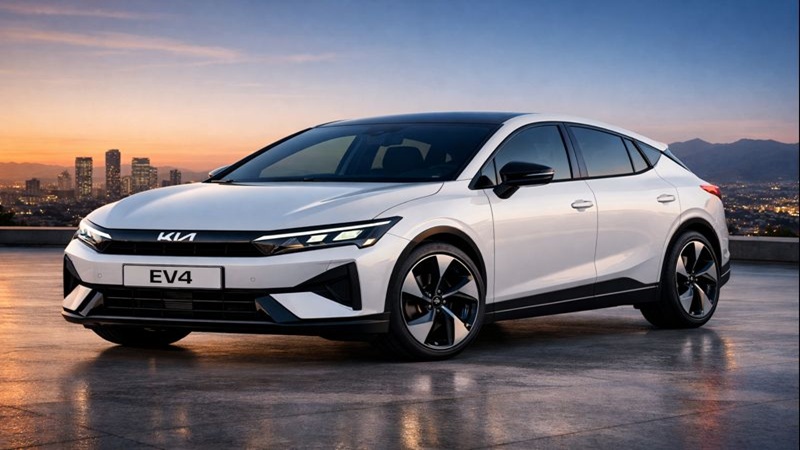
The Kia EV4 is a forward-thinking compact electric vehicle that represents Kia’s next step in making electric mobility more accessible while maintaining a strong focus on design, technology, and everyday practicality. Positioned between the EV3 and EV5 in Kia’s EV lineup, the EV4 is offered in sleek fastback/sedan and hatchback-style forms depending on the market, giving it a sporty yet practical presence. Its exterior design follows Kia’s bold “Opposites United” philosophy, featuring sharp LED lighting signatures, a low aerodynamic nose, clean body lines, and a futuristic stance that emphasizes efficiency and modern appeal.

Built on the E-GMP (Electric Global Modular Platform), the Kia EV4 uses a front-wheel-drive electric powertrain producing around 204 horsepower, delivering smooth, quiet acceleration ideal for city driving as well as highway cruising. Buyers can choose between two battery options, including a standard pack for daily commuting and a larger long-range battery capable of delivering over 500 km (approx. 330 miles) of range, depending on driving conditions and testing standards. With DC fast-charging support, the EV4 can recharge from 10% to 80% in roughly 30 minutes, making it convenient for longer trips and busy lifestyles.

Inside, the Kia EV4 offers a spacious, minimalist cabin designed around digital convenience and comfort, featuring a wide panoramic display, advanced infotainment with wireless connectivity, over-the-air updates, and Kia’s latest driver-assistance and safety technologies. Sustainable materials, smart storage solutions, and a flat floor layout enhance passenger comfort and usability. Overall, the Kia EV4 is designed to be a well-balanced electric car that blends modern styling, efficient performance, advanced technology, and everyday practicality, making it an attractive choice for drivers transitioning to electric vehicles.

Dec 292025
 

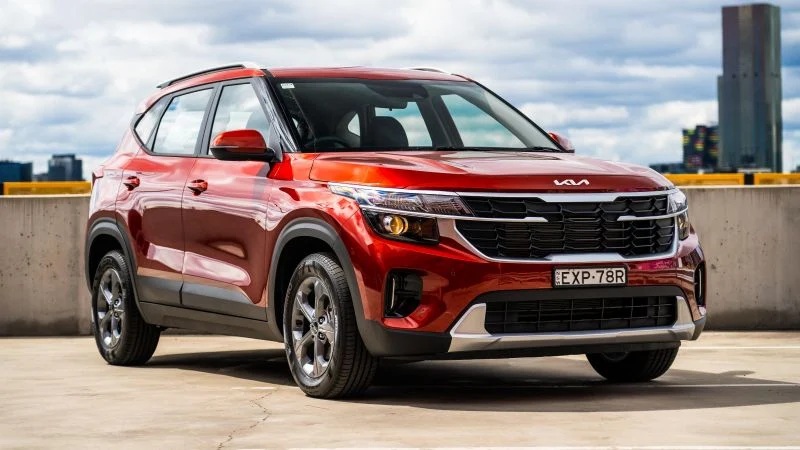
First introduced as Kia’s big India breakthrough on August 22, 2019, the Seltos quickly became the brand’s “category-maker” in the midsize SUV space—an SUV that won buyers by mixing sharp styling, a premium cabin feel, and an engine lineup that could be tailored to calm city commuting or fast highway runs. By 2025, it’s still built around the same winning idea: give customers choice. The current Seltos offers three 1.5-litre powertrains—an efficient naturally aspirated petrol, a punchy turbo-petrol, and a torque-rich diesel—paired with multiple gearboxes depending on the variant. The 1.5 NA petrol makes 115 PS and 144 Nm, the 1.5 diesel puts out 116 PS and 250 Nm, and the 1.5 turbo-petrol delivers a strong 160 PS and 253 Nm, with transmissions spanning manual, CVT/IVT-style automatic, torque-converter automatic, and DCT options across the range.

What keeps the Seltos so easy to live with is that it’s sized “just right” for Indian roads while still feeling like a proper SUV. The 2025 model measures 4,365 mm in length, 1,800 mm in width, and 1,645 mm in height with a 2,610 mm wheelbase, and it backs that up with everyday practicality—433 litres of boot space, 190 mm ground clearance, and a 50-litre fuel tank. Safety and convenience have also been a consistent part of the pitch: Kia’s own brochure highlights 6 airbags, ESC, hill assist, and tech like a 360° camera with Blind View Monitor as part of the Seltos package (variant-dependent for some features).

Now the real escalation begins: Kia has officially moved into the second-generation Seltos era in India, with production started at the Anantapur facility and the SUV built on the newer K3 platform—a full step forward in design, cabin layout, and feature intensity . The new Seltos is locked for an India launch on January 2, 2026, with bookings opened at ₹25,000, and deliveries expected to begin by mid-January. Reports around the reveal describe a noticeably larger footprint—about 4,460 mm long and 1,830 mm wide with a 2,690 mm wheelbase—pushing the stance and interior space further upmarket.

Inside, the next-gen Seltos leans hard into the “premium-tech SUV” identity: media reports highlight a massive 30-inch “Trinity Panoramic Display”, Bose audio, ventilated seats, and an even bigger safety push with Level-2 ADAS said to include 21 autonomous safety features. Importantly, it isn’t abandoning what made it popular—coverage around the India debut says it will continue with petrol, turbo-petrol, and diesel options, keeping the Seltos formula intact while raising the design and technology bar for the segment.

WordPress › Error

There has been a critical error on this website.

Learn more about troubleshooting WordPress.