Dec 312025
 
Toyota-Fortuner

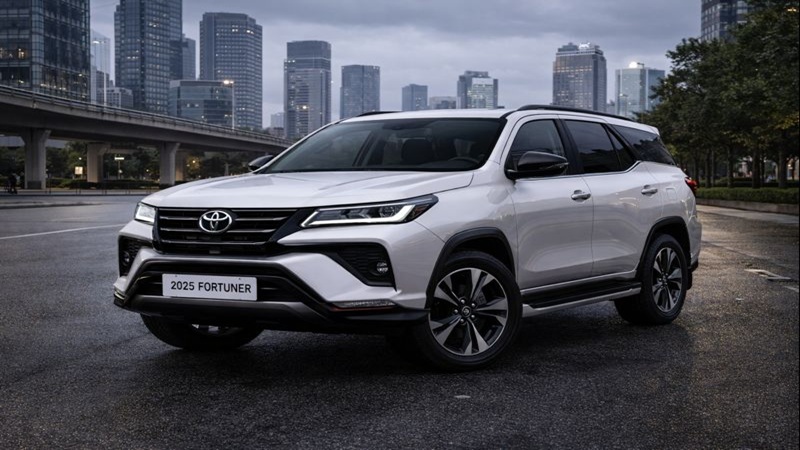
The 2025 Toyota Fortuner continues to be one of the most sought-after midsize SUVs in markets like India, the Middle East, Southeast Asia, and Latin America — a vehicle that blends everyday usability, long-distance touring comfort, and true off-road capability into one package. Building on Toyota’s legacy of reliability and durability, the 2025 Fortuner carries forward its body-on-frame architecture, which gives it the strength to handle rough terrain, unpaved trails, and steep inclines while still delivering a composed on-road ride. The exterior design has been subtly refined, with a bolder front grille, re-styled LED headlamps and taillights, and muscular wheel arches that give it a more assertive and commanding road presence compared to its predecessors.

Under the hood, the SUV offers a choice of engines tailored to different driving needs. The 2.7-litre petrol engine provides smooth, responsive performance for city traffic and highway cruising, while the 2.8-litre diesel engine stands out with strong low-end torque — around 500 Nm — that makes towing, climbing grades, and off-road maneuvers feel effortless. Toyota pairs these engines with either a 6-speed manual or a refined 6-speed automatic transmission, with electronic shift-on-the-fly 4WD available on select trims for improved traction in challenging conditions. The diesel-automatic combination, in particular, is highly prized by buyers who do a lot of highway driving or off-road touring, because it balances fuel economy with power delivery that’s both smooth and confidence-inspiring.

Inside, the 2025 Fortuner’s cabin is designed for comfort and practicality across long journeys. Seating for seven people is arranged in a roomy layout, and higher trims add premium touches like soft-touch materials, leather upholstery, and dual-zone automatic climate control. The central infotainment screen — often a 10.1-inch unit — supports wireless Apple CarPlay and Android Auto, aimed at keeping occupants connected without clutter, while multiple USB ports, a premium audio system, and cruise control round out the everyday conveniences. Rear passengers benefit from generous legroom and optional rear climate vents, making the Fortuner equally suitable for family trips and highway travel.

Modern safety technology is another area where Toyota places emphasis. The 2025 Fortuner is equipped with Toyota Safety Sense (TSS) on many variants, which includes features such as pre-collision warning with autonomous braking, lane departure alert, adaptive cruise control, blind-spot monitoring, and rear cross-traffic alert. Traditional defensive systems like ABS with EBD, vehicle stability control, hill start assist, and multiple airbags further reinforce its safety credentials, contributing to high confidence levels behind the wheel.

On the road, the Fortuner’s ride quality strikes a commendable balance: firm enough to conquer uneven surfaces and rough terrain, yet compliant enough to absorb city potholes and highway bumps without fatiguing occupants. The high ground clearance — typically around 225 mm — helps it tackle obstacles that would trouble many other SUVs in its class, and the 4WD variants, coupled with a low-range transfer case, open up serious off-road capability to buyers who enjoy exploring beyond paved roads.

In its segment, the 2025 Fortuner competes with other premium SUVs like the Ford Endeavour (Everest), Mahindra Alturas G4, and various trims of the Jeep Meridian or Isuzu MU-X. What often sets the Fortuner apart is its brand perception for toughness, strong resale value, and Toyota’s widespread service network — qualities many buyers prioritize in markets where long-term ownership matters as much as performance.

With a combination of robust engineering, family-friendly space, dependable performance, and a feature set that matches modern expectations, the 2025 Toyota Fortuner remains a benchmark in the midsize SUV category — a vehicle equally at home on highways, city streets, and rugged trails.

Dec 292025
 

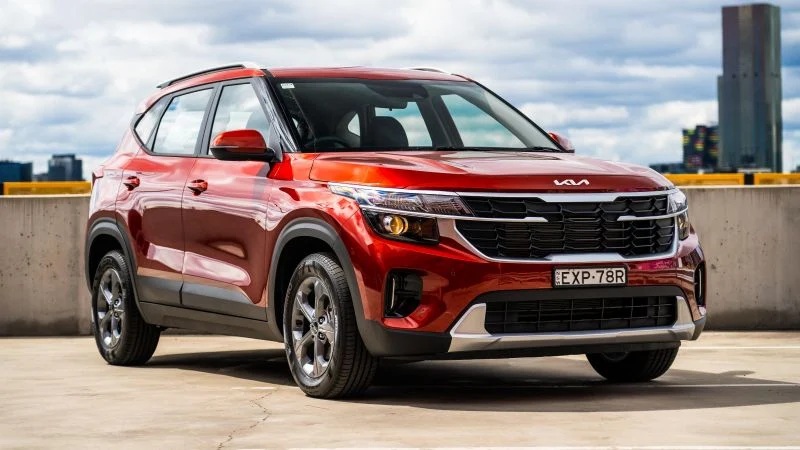
First introduced as Kia’s big India breakthrough on August 22, 2019, the Seltos quickly became the brand’s “category-maker” in the midsize SUV space—an SUV that won buyers by mixing sharp styling, a premium cabin feel, and an engine lineup that could be tailored to calm city commuting or fast highway runs. By 2025, it’s still built around the same winning idea: give customers choice. The current Seltos offers three 1.5-litre powertrains—an efficient naturally aspirated petrol, a punchy turbo-petrol, and a torque-rich diesel—paired with multiple gearboxes depending on the variant. The 1.5 NA petrol makes 115 PS and 144 Nm, the 1.5 diesel puts out 116 PS and 250 Nm, and the 1.5 turbo-petrol delivers a strong 160 PS and 253 Nm, with transmissions spanning manual, CVT/IVT-style automatic, torque-converter automatic, and DCT options across the range.

What keeps the Seltos so easy to live with is that it’s sized “just right” for Indian roads while still feeling like a proper SUV. The 2025 model measures 4,365 mm in length, 1,800 mm in width, and 1,645 mm in height with a 2,610 mm wheelbase, and it backs that up with everyday practicality—433 litres of boot space, 190 mm ground clearance, and a 50-litre fuel tank. Safety and convenience have also been a consistent part of the pitch: Kia’s own brochure highlights 6 airbags, ESC, hill assist, and tech like a 360° camera with Blind View Monitor as part of the Seltos package (variant-dependent for some features).

Now the real escalation begins: Kia has officially moved into the second-generation Seltos era in India, with production started at the Anantapur facility and the SUV built on the newer K3 platform—a full step forward in design, cabin layout, and feature intensity . The new Seltos is locked for an India launch on January 2, 2026, with bookings opened at ₹25,000, and deliveries expected to begin by mid-January. Reports around the reveal describe a noticeably larger footprint—about 4,460 mm long and 1,830 mm wide with a 2,690 mm wheelbase—pushing the stance and interior space further upmarket.

Inside, the next-gen Seltos leans hard into the “premium-tech SUV” identity: media reports highlight a massive 30-inch “Trinity Panoramic Display”, Bose audio, ventilated seats, and an even bigger safety push with Level-2 ADAS said to include 21 autonomous safety features. Importantly, it isn’t abandoning what made it popular—coverage around the India debut says it will continue with petrol, turbo-petrol, and diesel options, keeping the Seltos formula intact while raising the design and technology bar for the segment.

Jun 102025
 

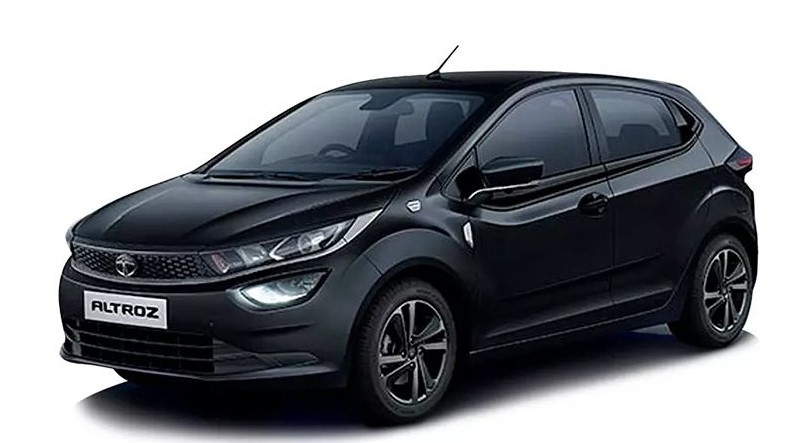
Launched on 22 January 2020, the Tata Altroz ushered in a bold new era for premium B‑segment hatchbacks in India, earning a 5‑star adult safety rating from Global NCAP . Underneath its sculpted exterior lies Tata’s ALFA‑ARC platform with doors that swing open to 90°, LED projector headlamps, rain‑sensing wipers, and sleek Harman‑tuned 7‑inch touchscreen with Apple CarPlay and Android Auto

Inside, the Altroz blends elegance and tech: a semi‑digital 7‑inch driver display (upgraded to 10.25‑inch digital in the recent facelift), USB‑C ports, ambient lighting, cooled glovebox, and rear AC vents. Higher variants add push‑button start, cruise control, auto‑climate, a panoramic sunroof (facelift models), power‑fold mirrors, and even optional leatherette trim and 360° camera . The new facelift, unveiled May 2025, introduces twin‑pod LED headlights, connected LED tail‑lamps, flush door handles, 10.25‑inch Neo‑QLED infotainment, digital instrument cluster, wireless charging, an air‑purifier, and Tata’s iRA connected‑car tech

Power options include a 1.2‑litre naturally‑aspirated Revotron petrol (86 PS/113 Nm), a 1.2‑litre turbo petrol (120 PS/170 Nm)—which powered the now‑discontinued “Racer” variant—and a 1.5‑litre Revotorq diesel (90 PS/200 Nm) Transmission choices range from smooth 5‑speed manuals, a responsive 6‑speed DCT (Altroz DCA), and the facelift adds a 5‑speed AMT . Handling is taut and stable, with responsive steering and ride comfort praised in reviews .

Safety remains a strong suit: dual or six airbags across trims, ABS‑EBD, ISOFIX mounts, ESP, tyre‑pressure monitoring, parking sensors, and a solid crash structure

Boot capacity is best‑in‑class at 345 L, expanding to 665 L with the rear seats folded . The facelift also added enhanced storage, refined materials, and a touchscreen that supports wireless Android Auto/Apple CarPlay.

the Tata Altroz delivers eye‑catching style, segment‑leading safety, engaging dynamics, and a rich tech suite—especially in its facelifted avatar—making it a compelling choice for those seeking a refined, spacious, and feature-loaded premium hatchback.

WordPress › Error

There has been a critical error on this website.

Learn more about troubleshooting WordPress.