Feb 172026
 

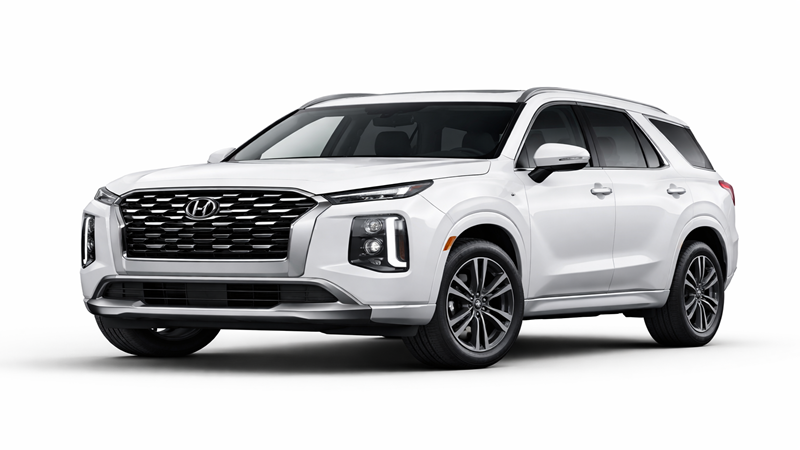
The 2026 Hyundai Palisade Hybrid is Hyundai’s latest evolution of its flagship three-row SUV, bringing electrified performance to one of the brand’s most popular family vehicles. Expected to launch globally in 2026, the Palisade Hybrid builds on the strong foundation of the current Palisade while introducing a more efficient hybrid powertrain, refreshed exterior styling, and upgraded technology. Positioned as a premium large SUV, it will compete directly with models like the Toyota Grand Highlander Hybrid, Kia Telluride (future hybrid variant), Ford Explorer Hybrid, and other electrified three-row SUVs in the midsize-to-full-size segment.

Design-wise, the 2026 Palisade Hybrid is expected to feature a more modern and upscale exterior with a bold front grille, vertically stacked LED headlamps, and sharper body lines to enhance its road presence. Hyundai is likely to incorporate new aerodynamic elements and unique hybrid badging to distinguish it from the standard petrol version. The SUV will retain its commanding stance, wide proportions, and spacious three-row layout, making it ideal for large families seeking both presence and practicality.

Under the hood, the Palisade Hybrid is expected to use a turbocharged 1.6-litre four-cylinder engine paired with an electric motor and battery pack — a setup similar to Hyundai’s latest hybrid systems seen in models like the Santa Fe Hybrid. Combined output is anticipated to be in the range of approximately 230–260 horsepower, delivering smoother acceleration and significantly improved fuel efficiency compared to the conventional V6 petrol engine. An automatic transmission will likely be standard, with both front-wheel-drive and all-wheel-drive options available depending on the market. The hybrid system is designed to offer strong low-end torque from the electric motor while maintaining refined highway cruising capability.

Inside, the 2026 Palisade Hybrid is expected to elevate luxury and technology further. The cabin will likely feature dual 12.3-inch displays for infotainment and instrumentation, premium leather upholstery, ambient lighting, a panoramic sunroof, and advanced connectivity options including wireless Apple CarPlay and Android Auto. Higher trims may include ventilated and heated seats for both front and rear passengers, a premium Bose audio system, and enhanced second-row captain’s chairs for improved comfort. Hyundai’s connected car technology and over-the-air update capability are also expected to be included.

On the safety front, Hyundai is anticipated to equip the Palisade Hybrid with its latest SmartSense suite of advanced driver assistance systems. Features may include adaptive cruise control with stop-and-go, lane-keeping assist, blind-spot monitoring, forward collision avoidance, rear cross-traffic alert, and a 360-degree camera system. Higher variants could offer advanced highway driving assist for semi-autonomous driving support on highways.

Jan 292026
 

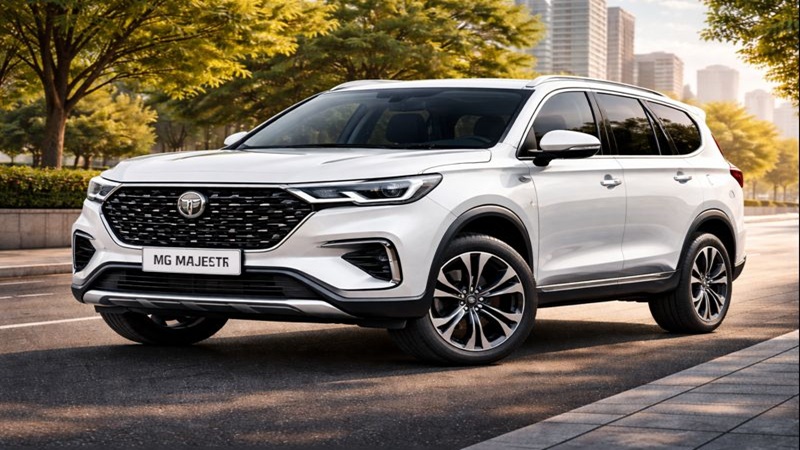
The MG Majestor is an all-new flagship SUV from MG Motor India, scheduled for official launch on February 12, 2026, with teasers already revealing its bold road presence and modern design cues. Positioned above the existing MG Gloster in MG’s lineup, the Majestor is engineered to compete directly with premium body-on-frame SUVs like the Toyota Fortuner Legender and other flagship rivals. This new model is being introduced as India’s first “D+ segment” SUV, which means it’s larger and more premium than typical D-segment SUVs currently on sale, boasting a commanding stance, tallest and widest dimensions in its class, and a distinctive Majestic Matrix front grille with sharp split-headlamps and falcon-type DRLs.

Under the hood, the MG Majestor is expected to be powered by a 2.0-litre four-cylinder diesel engine paired with an 8-speed automatic gearbox, offering robust performance for both on-road and off-road driving. According to reports, the engine’s output is likely around 216 PS of power and up to 480 Nm of torque in the higher tune, with 4×4 drive capability available — making it suitable for rugged terrains as well as highway cruising. This powertrain setup is similar to the internationally sold Maxus D90/Gloster platform, which the Majestor builds upon but with significant design and feature enhancements.

Inside, the Majestor is expected to feature a premium and technology-rich cabin, with a large free-floating 12.3-inch touchscreen infotainment system, an all-digital instrument cluster, a panoramic sunroof, and a suite of advanced comfort features including ventilated/heated seats with massaging functionality, three-zone climate control, and a high-end audio system. Connectivity and convenience will likely be strong points, with Android Auto and Apple CarPlay, wireless charging, and connected car tech anticipated across higher trims. On the safety and driver-assistance front, Level-2 ADAS features such as adaptive cruise control, lane-keep assist, blind-spot monitoring, and a 360° camera setup are expected to be offered, elevating the Majestor’s appeal in the premium SUV segment.

In terms of pricing, the MG Majestor is expected to be priced in a “premium” range, with estimates around ₹40–₹50 lakh (ex-showroom) in India for the base and higher trims, while some publications suggest starting prices could be closer to ₹46 lakh for the initial variants. Final pricing may vary by city and feature level at launch. With its combination of commanding dimensions, powerful diesel engine, advanced tech and safety suite, and luxurious interior features, the MG Majestor is being positioned as a serious challenger in India’s full-size SUV market — appealing to buyers who want more space, capability, and premium features than typical mid-size SUVs.

Jan 222026
 

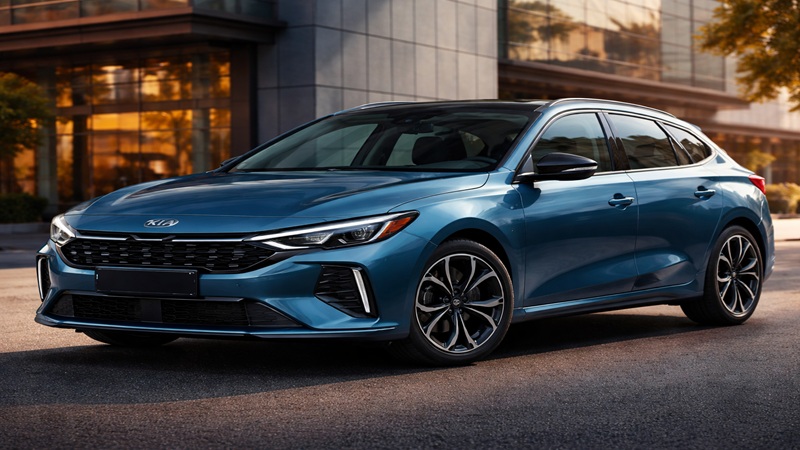
The Kia K4 Hatchback (2026 model year) is Kia’s new compact hatch designed to give the K4 sedan’s tech and styling in a more practical shape. Compared with the sedan, the hatch keeps the same front-end look up to the C-pillars, but the rear is shorter and shaped for a liftgate, making it feel sportier and more versatile for everyday use. Even with the shorter overall length, early reports highlight that the hatchback can offer more usable cargo room than the sedan thanks to the taller, more accessible rear opening.

On the powertrain side, the K4 Hatchback mirrors the K4 sedan lineup. The standard engine is a 2.0-liter four-cylinder making 147 hp, paired with a CVT and driving the front wheels. If you want more punch, the GT-Line Turbo upgrades to a 1.6-liter turbo four with 190 hp and an 8-speed automatic (a conventional automatic, not a CVT), giving it stronger acceleration and a more “normal” sporty feel in daily driving.

Where the K4 Hatchback aims to stand out is the blend of interior space + modern cabin tech. Kia’s official materials highlight an available Digital Cockpit with a 29.6-inch combined display, plus a roomy interior focus (including strong rear-seat legroom messaging). Practicality is a big part of the pitch too: outlets note around 22.2 cubic feet of cargo space with the rear seats up and up to about 59 cubic feet with the seats folded, which is big for this class and exactly why hatchbacks still have fans.

Trim and pricing info has also started to land. Kia has publicly announced pricing for the 2026 K4 Hatchback, positioning it as a stylish alternative to compact rivals like the Civic hatch/Mazda3/Corolla/Impreza crowd while still aiming for value. Some coverage has cited pricing in the mid-$20k to around $30k range depending on trim and options, but the exact out-the-door number will vary by destination, packages, and dealer add-ons.

WordPress › Error

There has been a critical error on this website.

Learn more about troubleshooting WordPress.