The Toyota RAV4 is a highly popular compact SUV that offers an excellent balance of performance, efficiency, comfort, and practicality, making it a top choice for families and daily commuters alike. It features a bold, modern exterior design and a spacious interior with seating for five passengers, providing generous legroom and headroom in both rows. The RAV4 offers strong cargo capacity, with approximately 37.5 cubic feet of space behind the rear seats and up to 69.8 cubic feet when the seats are folded down, making it suitable for luggage, groceries, and outdoor gear. Under the hood, most RAV4 models are powered by a 2.5-liter 4-cylinder engine producing around 203 horsepower, paired with an 8-speed automatic transmission and available in front-wheel drive or all-wheel drive configurations. Fuel efficiency is one of its key strengths, delivering an estimated 27–28 mpg in the city and 34–35 mpg on the highway for gasoline models, while the RAV4 Hybrid significantly improves mileage to about 40 mpg combined, and the RAV4 Prime (plug-in hybrid) offers up to 42 miles of electric-only range with a powerful 302-horsepower system. Inside, the RAV4 is equipped with modern technology including a touchscreen infotainment system, Apple CarPlay, Android Auto, Bluetooth connectivity, multiple USB ports, and available premium features such as wireless charging, dual-zone climate control, and a power liftgate. Safety is a major highlight, with Toyota Safety Sense standard on most trims, offering advanced features like pre-collision braking, lane departure alert, adaptive cruise control, and lane-keeping assistance. With a towing capacity of up to 1,500 pounds on standard models and 2,500 pounds on the RAV4 Prime, along with Toyota’s reputation for long-term reliability and strong resale value, the Toyota RAV4 stands out as a dependable, fuel-efficient, and well-equipped SUV suitable for a wide range of driving needs.
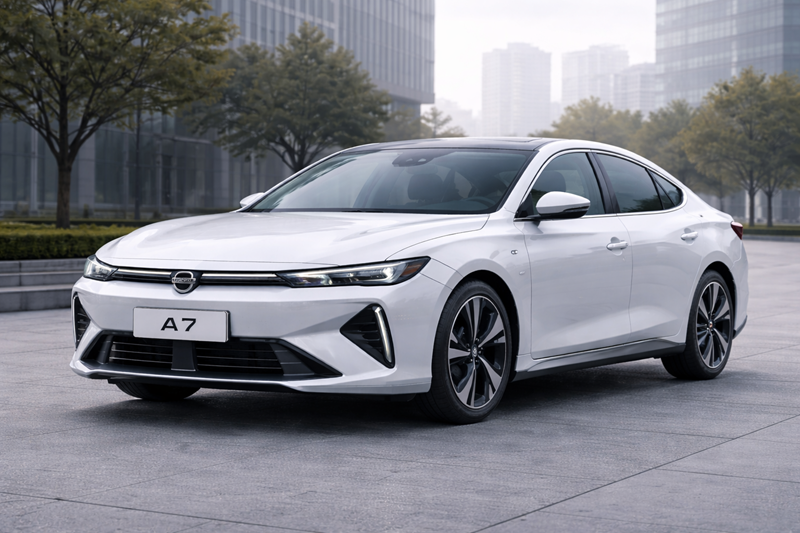
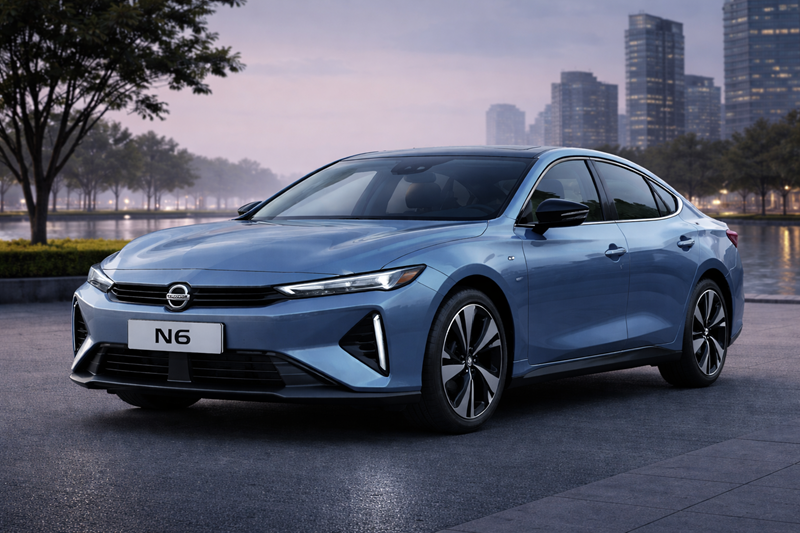
The 2026 Nissan Sentra represents a major step forward for Nissan’s compact sedan, bringing a full redesign that blends modern style, enhanced technology, and strong value in a segment crowded with rivals. As the ninth-generation Sentra, it adopts a bold new exterior with sleek, aerodynamic lines and a fastback-like silhouette — a design that helps it stand out against competitors like the Honda Civic and Toyota Corolla while also improving efficiency.
Inside, the Sentra’s cabin is more refined and tech-rich than ever. Standard across the lineup is a large 12.3-inch center touchscreen that anchors the infotainment experience, with higher trims also featuring a matching digital instrument display. Wireless Apple CarPlay and Android Auto come on mid and upper trims, and connected Nissan services provide additional convenience.
Under the hood, the 2026 Sentra retains its reliable 2.0-liter four-cylinder engine, producing around 149 hp, paired with a smooth continuously variable transmission (CVT). While the powertrain isn’t focused on outright sportiness, Nissan has tuned the suspension and steering for more engaging everyday driving, and the available Sport mode sharpens throttle and handling responses for a more spirited feel on twisty roads.
Safety and driver-assistance features are robust, with Nissan Safety Shield 360 standard and available upgrades like ProPILOT Assist and Blind Spot Intervention on higher trims, giving drivers greater confidence behind the wheel.
The Sentra also offers practicality, with a roomy trunk (around 14.3 cubic feet) and thoughtful interior touches that elevate comfort. Different trim levels — from the value-oriented S and SV to the sportier SR and more premium SL — allow buyers to choose the balance of features and price that suits them best.
The 2026 Nissan Sentra strikes a compelling mix of style, technology, and everyday usability, making it a strong choice for buyers seeking a modern, affordable compact sedan with up-to-date features and confident performance.
The 2025 Toyota Fortuner continues to be one of the most sought-after midsize SUVs in markets like India, the Middle East, Southeast Asia, and Latin America — a vehicle that blends everyday usability, long-distance touring comfort, and true off-road capability into one package. Building on Toyota’s legacy of reliability and durability, the 2025 Fortuner carries forward its body-on-frame architecture, which gives it the strength to handle rough terrain, unpaved trails, and steep inclines while still delivering a composed on-road ride. The exterior design has been subtly refined, with a bolder front grille, re-styled LED headlamps and taillights, and muscular wheel arches that give it a more assertive and commanding road presence compared to its predecessors.
Under the hood, the SUV offers a choice of engines tailored to different driving needs. The 2.7-litre petrol engine provides smooth, responsive performance for city traffic and highway cruising, while the 2.8-litre diesel engine stands out with strong low-end torque — around 500 Nm — that makes towing, climbing grades, and off-road maneuvers feel effortless. Toyota pairs these engines with either a 6-speed manual or a refined 6-speed automatic transmission, with electronic shift-on-the-fly 4WD available on select trims for improved traction in challenging conditions. The diesel-automatic combination, in particular, is highly prized by buyers who do a lot of highway driving or off-road touring, because it balances fuel economy with power delivery that’s both smooth and confidence-inspiring.
Inside, the 2025 Fortuner’s cabin is designed for comfort and practicality across long journeys. Seating for seven people is arranged in a roomy layout, and higher trims add premium touches like soft-touch materials, leather upholstery, and dual-zone automatic climate control. The central infotainment screen — often a 10.1-inch unit — supports wireless Apple CarPlay and Android Auto, aimed at keeping occupants connected without clutter, while multiple USB ports, a premium audio system, and cruise control round out the everyday conveniences. Rear passengers benefit from generous legroom and optional rear climate vents, making the Fortuner equally suitable for family trips and highway travel.
Modern safety technology is another area where Toyota places emphasis. The 2025 Fortuner is equipped with Toyota Safety Sense (TSS) on many variants, which includes features such as pre-collision warning with autonomous braking, lane departure alert, adaptive cruise control, blind-spot monitoring, and rear cross-traffic alert. Traditional defensive systems like ABS with EBD, vehicle stability control, hill start assist, and multiple airbags further reinforce its safety credentials, contributing to high confidence levels behind the wheel.
On the road, the Fortuner’s ride quality strikes a commendable balance: firm enough to conquer uneven surfaces and rough terrain, yet compliant enough to absorb city potholes and highway bumps without fatiguing occupants. The high ground clearance — typically around 225 mm — helps it tackle obstacles that would trouble many other SUVs in its class, and the 4WD variants, coupled with a low-range transfer case, open up serious off-road capability to buyers who enjoy exploring beyond paved roads.
In its segment, the 2025 Fortuner competes with other premium SUVs like the Ford Endeavour (Everest), Mahindra Alturas G4, and various trims of the Jeep Meridian or Isuzu MU-X. What often sets the Fortuner apart is its brand perception for toughness, strong resale value, and Toyota’s widespread service network — qualities many buyers prioritize in markets where long-term ownership matters as much as performance.
With a combination of robust engineering, family-friendly space, dependable performance, and a feature set that matches modern expectations, the 2025 Toyota Fortuner remains a benchmark in the midsize SUV category — a vehicle equally at home on highways, city streets, and rugged trails.